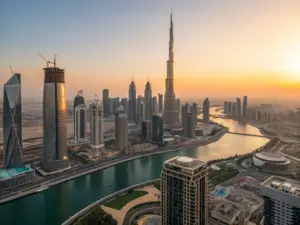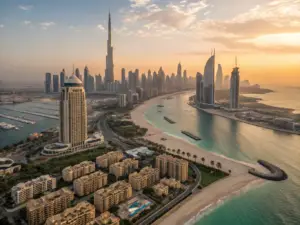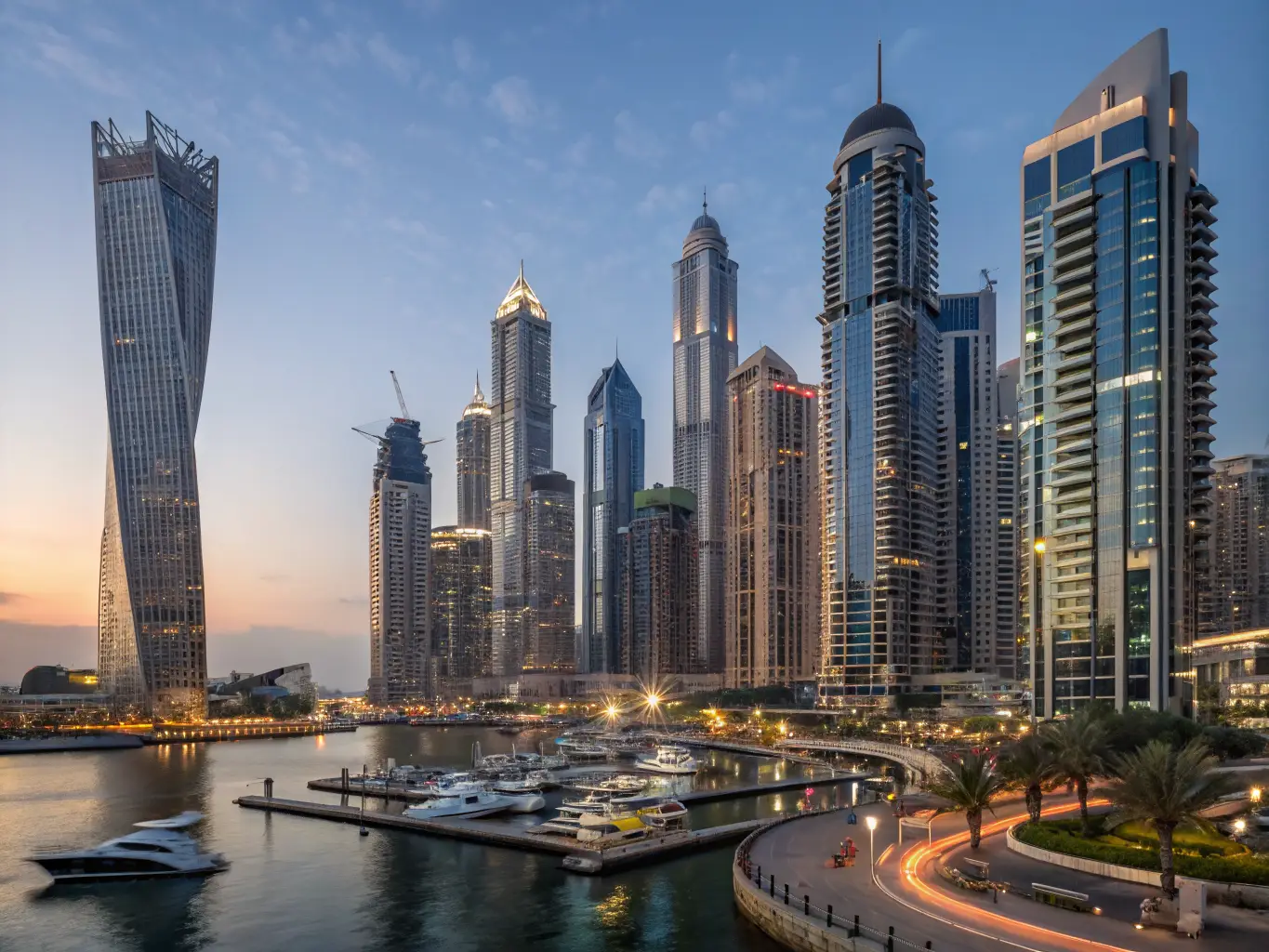
The UAE real estate market continues to position itself as one of the most dynamic and resilient property sectors in the Middle East. As we move through 2026 and look toward 2027, international investors, expat professionals, and first-time homebuyers are closely watching emerging trends and opportunities that will shape the region’s property landscape.
Dubai: The Market’s Driving Force
Residential Segment
Dubai’s residential real estate market remains the region’s flagship. The emirate’s diverse portfolio—from ultra-luxury beachfront villas to affordable studio apartments—appeals to a global investor base. Key drivers include:
- Visa initiatives attracting long-term residents and ensuring sustained occupancy demand
- Off-plan project completions bringing new supply across premium and mid-market segments
- Neighborhood diversification with emerging affordable pockets in Jumeirah Village Circle and Dubai South gaining traction
- Mixed-use developments combining residential, retail, and hospitality in single ecosystems
The residential segment is expected to remain resilient, with both end-user demand and investor interest sustaining activity. Premium properties near iconic locations (Downtown Dubai, Palm Jumeirah, Emirates Hills) maintain strong appeal, while emerging communities attract price-sensitive buyers and yield-focused investors seeking 4–6% rental returns.
Commercial Real Estate
Dubai’s commercial property sector reflects the city’s status as a global business hub. Office space, retail, and hospitality assets continue to see steady demand, particularly in business districts and mixed-use zones. Post-pandemic workspace trends—including flexible working arrangements and integrated amenities—are reshaping commercial expectations and capital values.
Northern Emirates: The Growth Story
Ras Al Khaimah, Ajman, Umm Al Quwain, and Fujairah are witnessing accelerated development and investor migration. These emirates offer:
- Lower property prices compared to Dubai and Abu Dhabi, attracting value investors
- New infrastructure projects improving connectivity, education, and livability
- Industrial zones and free zones attracting manufacturing and logistics investments
- Tourism and hospitality development creating hybrid residential-commercial opportunities
RAK, in particular, has emerged as a preferred destination for investors seeking capital appreciation and long-term value. Government-backed initiatives, new industrial free zones, and waterfront megaprojects are drawing attention from both regional and international capital.
Key Investment Drivers
Golden Visa Programs
The UAE’s Golden Visa scheme—offering 5 and 10-year residence permits for property investors—continues to be a significant pull factor. Investors acquiring AED 750,000+ in property (or establishing a qualifying business) gain access to long-term residency without employment sponsorship, attracting:
- International wealth seekers and portfolio diversifiers
- Business entrepreneurs and professionals relocating regionally
- Retirees seeking a stable, business-friendly jurisdiction
- Families prioritizing education quality and expat-friendly services
This program has sustained demand for investment-grade properties across all emirates and price points.
Off-Plan Projects and New Launches
Developers continue releasing new off-plan projects, offering investors opportunities to purchase below completion value and stage payments. These projects span:
- Large-scale residential complexes and master communities
- Mixed-use developments integrating work, living, and recreation
- Hospitality and serviced apartment assets
- Commercial office and retail spaces in emerging zones
Off-plan purchases remain attractive for capital appreciation potential, especially in established communities with proven demand and completed phases.
Market Trends Shaping 2026-2027
Sustainability and Green Buildings
Environmental consciousness is reshaping property development. New projects increasingly feature LEED and Estidama certifications, sustainable materials, energy-efficient HVAC, and water recycling systems. Investors recognize that green-certified properties command premium valuations, lower utility costs, and higher tenant retention.
Affordable Housing Emphasis
Government initiatives promoting affordable housing are creating new market segments. These projects target middle-income expatriates, first-time buyers, and young professionals, opening both investment and end-user opportunities in this growing demographic.
Technology Integration
Smart home features (app-controlled lighting, climate, security), AI-powered building management systems, and blockchain-based property transactions are becoming standard expectations. Properties with advanced tech integration command higher rental premiums and faster resale velocity.
Luxury Segment Resilience
Ultra-high-net-worth individuals continue investing in signature properties—waterfront villas, penthouses, and trophy developments—maintaining the luxury segment’s stability even during broader market fluctuations.
Investment Considerations for International Buyers
Before entering the UAE property market, evaluate:
- Financing options: Many UAE banks offer mortgage products for non-citizens with typical loan-to-value ratios of 70–80% and 20–25-year terms
- Regulatory framework: The UAE’s transparent real estate laws, enforced through RERA and DLD, provide investor protection and contract enforcement
- Rental yields: Vary by location and property type; city-center apartments typically deliver 3–5% gross yields, emerging communities 5–7%
- Currency dynamics: Properties priced in AED; monitor exchange rates if remitting funds internationally
- Due diligence: Engage legal counsel familiar with UAE property law to review contracts, title documentation, and developer credentials
FAQs
Q: Is now a good time to invest in UAE real estate?
A: The market remains fundamentally sound with strong demand from expat professionals, international business investors, and capital seeking stability. Entry points exist across price ranges, property types, and emirates.
Q: What rental yields can I expect in Dubai?
A: Rental yields vary by location and property type. City-center apartments typically deliver 3–5% gross annually, while emerging communities and villa rentals often offer 5–7% yields.
Q: Can non-UAE citizens own property?
A: Yes. Non-citizens can own freehold property in designated areas and leasehold properties elsewhere. Consult local regulations or a qualified advisor for specific zones and regulations.
Q: How long does a property transaction typically take?
A: From offer acceptance to title deed registration usually takes 4–8 weeks, depending on financing approval, inspections, and regulatory processing times.
Q: What are the main costs beyond the purchase price?
A: Budget for registration fees (approximately 2–4% of purchase price), agency commissions (2–2.5%), annual maintenance fees, property management, and mortgage-related costs if financing.
Moving Forward: Your UAE Property Investment
The UAE real estate market in 2026-2027 presents a compelling landscape for diversified investment strategies. Whether you’re seeking a primary residence, rental income, capital appreciation, or a combination, the region’s transparency, economic stability, and cosmopolitan appeal continue to attract discerning investors worldwide.
At UAE-Prop, we guide international buyers and investors through every stage of property acquisition—from market research and property identification to closing and ongoing management. Our expertise spans Dubai, the Northern Emirates, and emerging opportunity zones, helping you make informed decisions aligned with your financial goals.
Contact our team today to explore properties and strategies tailored to your investment profile. The UAE real estate opportunity awaits.