The three drivers
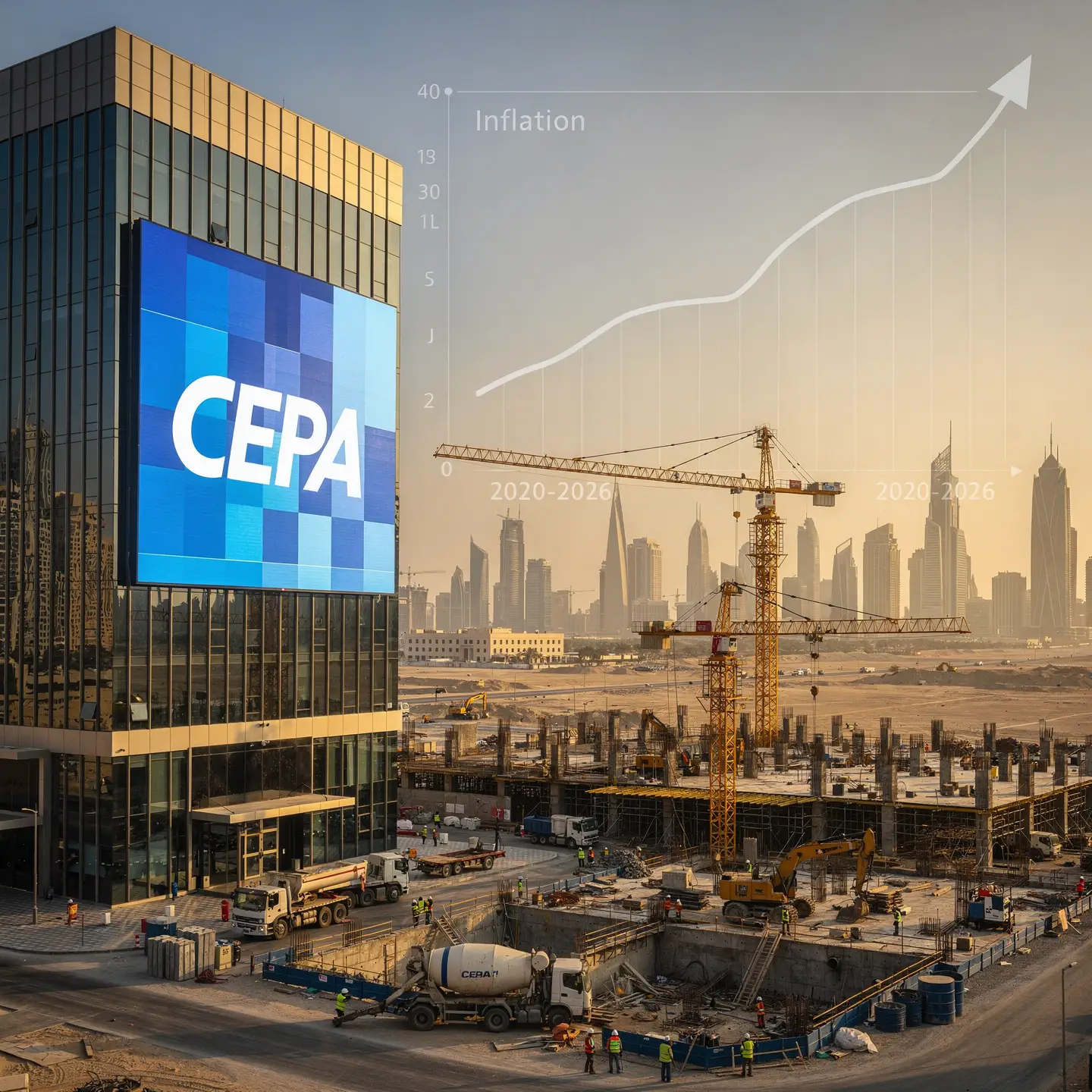
1) CEPA network
CEPA expansion →
- more trade corridors + business formation
- stronger demand for logistics, offices, and high-skill employment
- deeper “follow-the-business” housing demand (mid-market and premium rentals)
Real estate translation: more companies + more workers = broader tenant base.
2) Project execution
Project spending →
- direct job creation (construction + services)
- demand spillover into housing, retail, hospitality
- connectivity upgrades that reprice “time to destination”
Real estate translation: infrastructure doesn’t lift everything — it lifts nodes (areas that become faster and easier to live/work in).
3) Softer inflation
Contained inflation →
- real purchasing power stabilises
- rent stress is lower than in high-inflation regimes
- mortgage affordability is less pressured (especially if rates ease)
Real estate translation: when living costs are manageable, demand becomes more sustainable.
What it means for real estate in 2026
CEPA + projects + soft inflation →
- higher confidence (buyers and tenants feel less squeezed)
- stronger leasing base (less forced downsizing)
- more stable absorption of new supply
- better resilience if global headlines turn noisy
Quick “which driver matters most?” guide
- If you’re thinking 1–3 years: inflation/cost of living usually shows up first (rent behaviour changes fast).
- If you’re thinking 3–7 years: projects/infrastructure compounds through connectivity and new hubs.
- If you’re thinking 5–10 years: CEPA/policy shapes the economy’s structure and job mix (bigger tenant base over time).
Ultra-quotable version
In 2026, the strongest support for UAE property demand isn’t headlines — it’s structure: CEPA-driven business growth, ongoing project execution, and softer inflation that protects household purchasing power. When these three align, real estate demand is more likely to be fundamentally backed, and market resilience improves.
FAQ
What are the key takeaways?
This analysis provides data-driven insights on UAE real estate pricing, transaction volumes, and emerging opportunities for investors and buyers.
How does this affect property buyers and investors?
Understanding macro-economic factors, regulatory changes, and market dynamics helps make informed investment decisions in the UAE property market.
What is the outlook for UAE real estate?
The UAE real estate sector continues to demonstrate resilience with sustained international demand, particularly in premium waterfront and branded residence segments.
How can Al Huzaifa Properties help?
As an authorized developer sales partner, Al Huzaifa Properties offers direct access to off-plan projects with competitive pricing and exclusive broker incentives. Contact us for personalized consultation.
Related Articles
- Dubai Is Still the Region’s Safe Haven. Here’s the Data.
- Dubai AED 1 Billion Business Support Package: Real Estate Market Analysis