The UAE Exits OPEC and OPEC+ on May 1, 2026: What This Means for the Real Estate Market
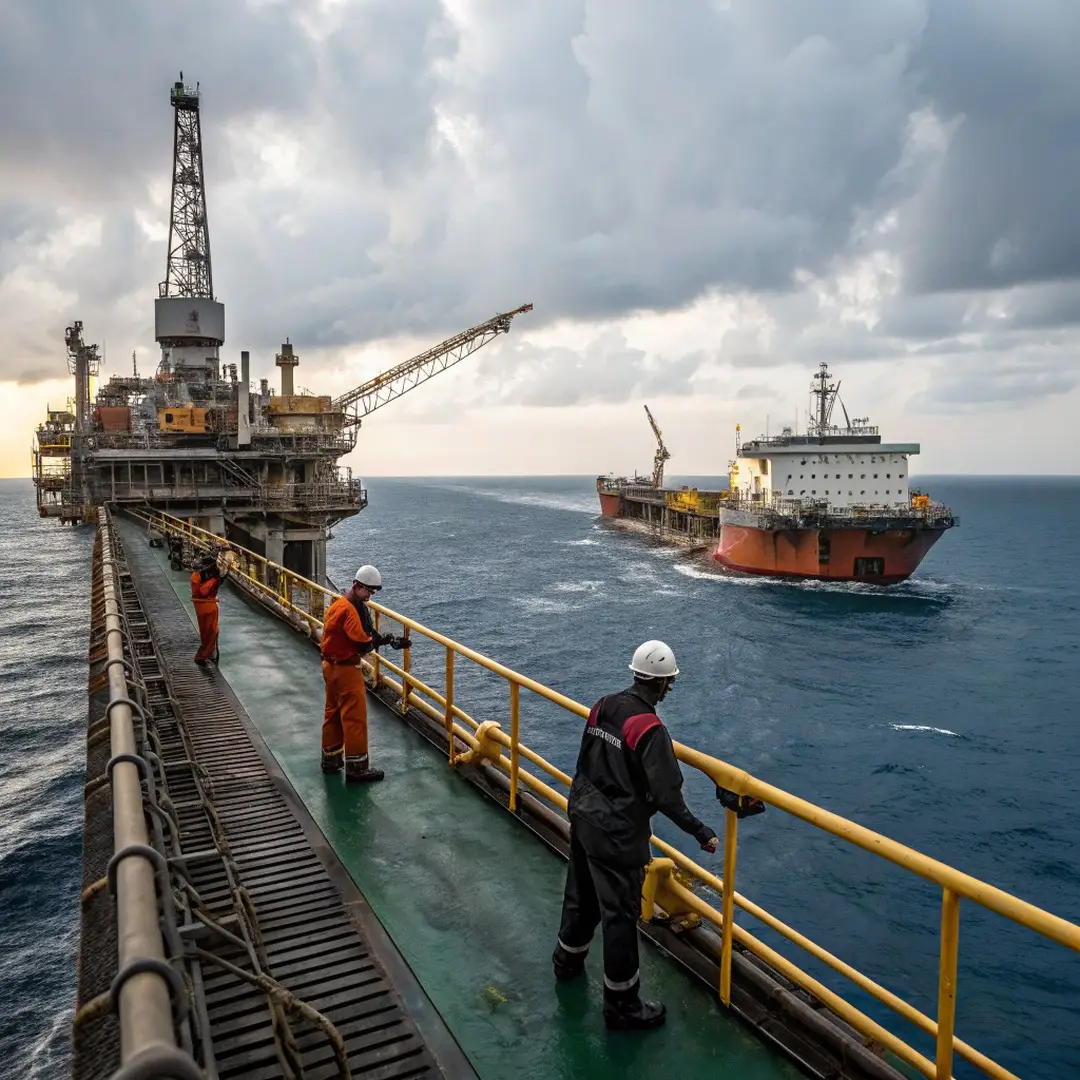
On April 28, 2026, the UAE state news agency WAM published a statement announcing the country’s withdrawal from the Organization of the Petroleum Exporting Countries (OPEC) and the broader OPEC+ alliance, effective May 1, 2026. The decision was announced several weeks after a series of missile and drone attacks by Iran on UAE territory. Energy Minister Suhail Al Mazrouei confirmed that the exit has been planned to minimize the impact on oil prices and partner countries.
The UAE was the third-largest producer in OPEC after Saudi Arabia and Iraq. The country’s target for 2027 is a production capacity of 5 million barrels per day. Current production is constrained by OPEC+ quotas at approximately 3 million barrels per day, while actual capacity allows for substantially higher output.
This article examines what this decision means for real estate investors in the UAE — Dubai, Abu Dhabi, and Ras Al Khaimah — and which market segments stand to benefit the most.
Geopolitical Context of the Decision
The exit from OPEC is not a sudden move but the culmination of a multi-year standoff within the cartel. The main points of tension include:
-
Quota dispute with Saudi Arabia. Over the past three years, the UAE has insisted on revising production quotas in its favor — the country has invested billions of dollars in expanding capacity and sought to monetize those investments. Saudi Arabia, in turn, demanded that cartel discipline be maintained to support prices.
-
Iranian attacks. Recent weeks have served as a stress test of collective security in the Persian Gulf. Following direct attacks on the UAE, the country did not receive the level of support it expected from its cartel allies. This accelerated the exit process.
-
Long-term diversification strategy. The UAE is systematically reducing the share of oil in its GDP — from 30% in 2020 to a target of 20% by 2030. Freedom of action in energy policy is a necessary condition for managing this transition.
Impact on the UAE Real Estate Market
Dubai. The emirate is the least directly dependent on oil revenues (oil accounts for less than 1% of Dubai’s GDP) — however, the indirect effect through an enlarged federal budget and strong financial indicators at the UAE level reinforces Dubai’s position as a global investment destination. Premium areas — Downtown Dubai, Dubai Marina, Palm Jumeirah, Business Bay, Dubai Hills Estate — are receiving additional capital inflows from institutional investors.
Abu Dhabi. The capital emirate is a direct beneficiary — rising oil revenues translate into infrastructure programs via Mubadala, ADIA, and ADQ. Premium locations such as Saadiyat Island, Yas Island, Al Reem Island, and Al Maryah are reinforced by increased state and private investment. Apartments in Saadiyat Lagoons and villas in Yas Acres have historically appreciated 8–12% per year — and this trajectory is now strengthening.
Ras Al Khaimah. The fastest-growing emirate by price dynamics (average annual growth of 25–35% in 2024–2025) gains additional momentum from the diversification of investor interest away from the historical centers. Wynn Resort, opening in 2027, and the development of Marjan Island generate a spillover effect for the entire emirate. Geopolitical stability and the absence of historical baggage make RAK attractive to investors seeking UAE exposure without concentration in Dubai.
18-Month Price Forecast
Institutional reaction to the news will begin within 30–90 days after the effective exit date. Global sovereign and family funds will revise their allocation models in favor of UAE assets. The retail market historically lags the institutional segment by 6–12 months.
The base-case scenario projects price growth in Dubai’s premium real estate of 8–15% over the 18 months following the exit. Abu Dhabi’s premium segment is forecast to grow 10–18% over the same period. RAK is expected to maintain its current pace of 25–30% annually.
The off-plan segment with payment-plan structures gains additional leverage from the revaluation of the underlying value of completed assets. Tier-1 developers (Emaar, DAMAC, Aldar, Sobha, Meraas) with transparent escrow and a strong track record stand to benefit disproportionately.
Which Segments Will Not Appreciate Proportionally
Geopolitical-driven growth does not apply universally. Remote projects from Tier-3 developers, assets in locations lacking transport connectivity, and projects with opaque escrow arrangements or historical handover delays do not automatically receive a premium. Investors require a detailed assessment of the specific asset, the specific location, and the specific developer.
FAQ
Will the OPEC exit reduce UAE stability?
No. The legal system, banking infrastructure, real estate property rights protections, and residence visa framework — none of these depend on OPEC membership. UAE stability rests on the federal legal system and Tier-1 regulators (RERA, DLD, ADREC).
Should buyers postpone purchases?
The underlying logic suggests the opposite. The institutional reaction is already beginning. Prices will reflect the revaluation within 12–18 months. Postponing the decision means buying at a higher price.
Which areas benefit the most?
Premium segments in Dubai and Abu Dhabi — Downtown, Marina, Palm, Saadiyat, Yas — are seeing institutional inflows. RAK is receiving diversification flows. Tier-1 off-plan benefits from a leverage effect.
What about oil prices?
In the short term, prices may correct by 3–5% on expectations of higher production. In the medium term, OPEC+ will rebalance. For the UAE federal economy, the exit is a net positive due to the removal of quota constraints.
Source: The National