
How the UAE's Top Developers Turned Rising Costs Into a Balance-Sheet Advantage
Construction costs have climbed across nearly every major property market since 2021, and the Gulf has not been exempt. Steel, cement, and skilled labour all cost more to source today than they did five years ago, and the developers building Dubai's next 366,000 homes are working against that backdrop, not around it. What stands out in the UAE case is not that costs rose. It's what the largest developers did in response, well before this cost cycle became a talking point.
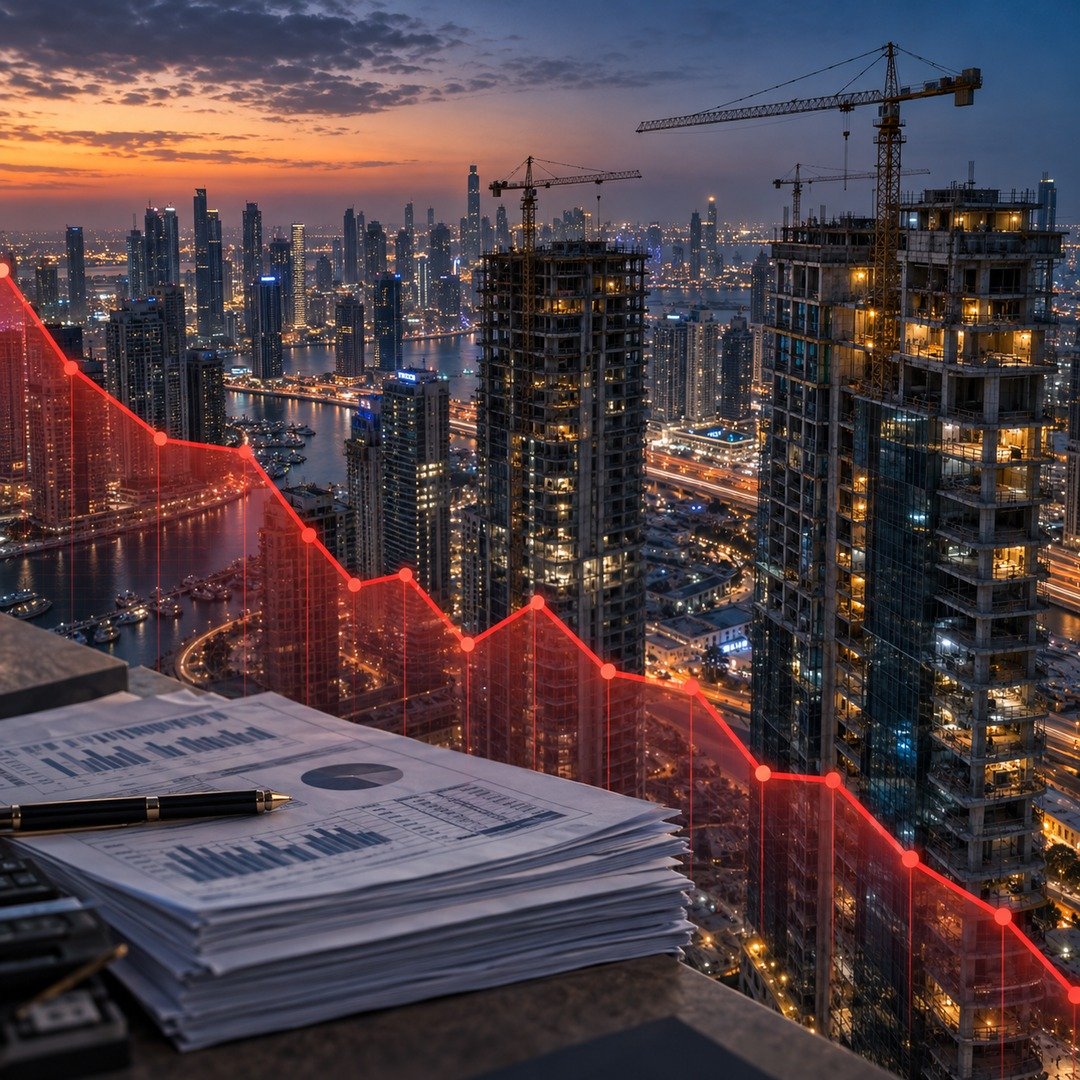
Data from Fitch and Moody's, reported by Khaleej Times in September 2025, shows that average leverage among the UAE's top developers fell from close to 5x equity to roughly 1.4x. Over the same stretch, the six largest players moved from around Dh12 billion in combined profit in 2020 to approximately Dh46 billion in 2024. Lower debt and higher profit rarely arrive together by accident. Read against a global backdrop of rising build costs, this looks like a deliberate repositioning: fund growth from retained earnings and buyer payments rather than bank debt, and let the balance sheet absorb cost pressure instead of passing all of it downstream in the form of construction delays or cancelled projects.
Why deleveraging matters more than headline price growth
Dubai residential prices rose roughly 16.6% year-on-year in H1 2025 and 16.1% in Q3 2025, according to Cavendish Maxwell's quarterly market reports. Price appreciation of that scale tends to dominate the conversation, and for buyers scanning headlines, it's the number that sticks. But price growth is a demand signal. Leverage is a supply-side signal, and it says more about how a project actually gets finished.
A developer carrying 5x leverage is exposed to interest rate moves, refinancing windows, and lender covenants on every project in its pipeline. A developer at 1.4x has far more room to absorb a cost overrun on cement or a delay in a steel shipment without needing to renegotiate terms or slow down handover. For anyone buying off-plan, that difference matters more than the price the unit was marketed at. Our team walks buyers through developer financials specifically because leverage and delivery history tell you more about completion risk than a brochure ever will.
A pipeline built to be absorbed, not dumped
Cavendish Maxwell's Q3 2025 report puts Dubai's residential pipeline at approximately 366,000 units through 2028, with the bulk of completions landing in 2026 and 2027. Khaleej Times, citing rating agency estimates, puts new supply at 150,000 to 250,000 units between 2025 and 2027, equal to roughly 20% of the emirate's existing housing stock, with as many as 120,000 units due in 2026 alone.
Numbers at that scale invite an obvious question: is this 2008 again, when a construction boom met a credit shock and prices corrected sharply? The leverage data suggests a different setup. In the run-up to that earlier downturn, developers financed speculative launches with debt against future sales that assumed the market would keep climbing. The current pipeline is being financed by developers who, on average, carry a third of the debt load they did a decade ago, while the largest names among them post the highest profits on record. That doesn't remove supply-side risk entirely. It does mean the risk sits with better-capitalised builders than it did in prior cycles.
Khaleej Times' outlook coverage for 2026 describes the likely outcome as rebalancing rather than correction: moderating price growth, more selective buying, and continued resilience in prime and waterfront segments that remain structurally undersupplied even as mid-market apartment supply peaks.
What this means for off-plan buyers and long-stay residents
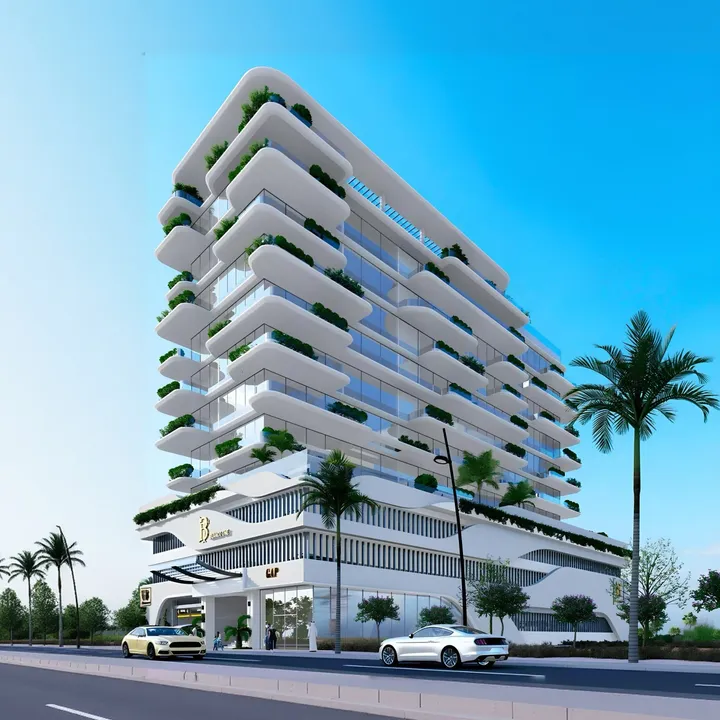
For buyers evaluating an off-plan purchase in Dubai, Abu Dhabi, or Ras Al Khaimah, a developer's debt profile is now a legitimate diligence question, not a footnote. Lower leverage across the sector's largest names reduces the odds of a stalled project when construction costs move against forecast. It also means developers have less incentive to chase volume through aggressive discounting, since profitability no longer depends on debt-fuelled expansion.
For Golden Visa holders and residents planning a multi-year stay, the more relevant shift is behavioural. Khaleej Times' late-2025 and 2026 coverage describes buyers moving toward what it calls logic-based decisions: weighing delivery track record, developer financial health, and location fundamentals over speculative upside. A market with 100,000-plus annual completions in 2026 and 2027 gives buyers more genuine choice and, by extension, more leverage in negotiation, particularly in mid-market segments where supply is least constrained.
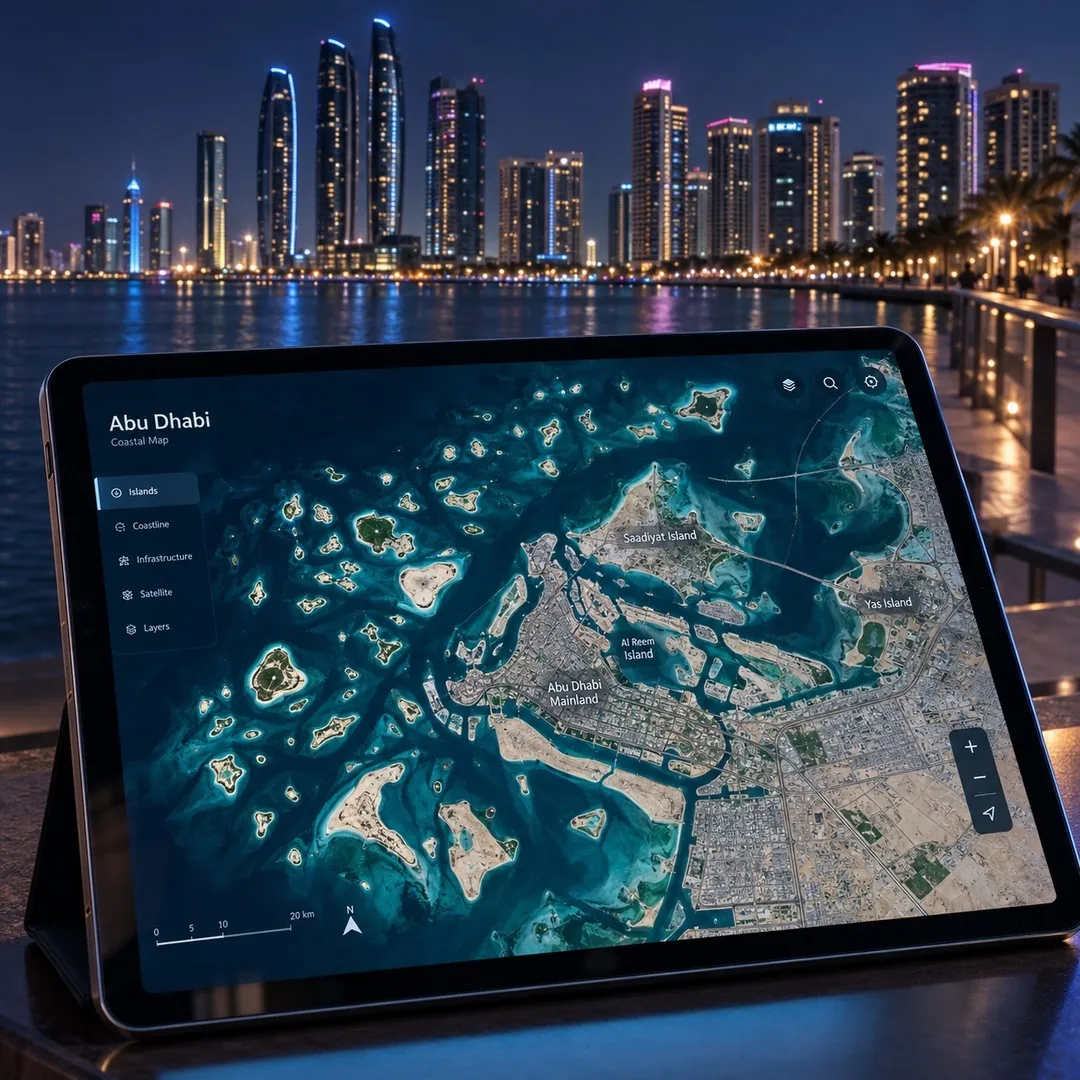
For investors watching Dubai as a benchmark for Abu Dhabi's coastal developments or Ras Al Khaimah's waterfront projects, the pattern worth tracking is the underlying financial discipline, not the headline price figure. As those markets scale their own off-plan pipelines, developers with lower leverage and phased delivery schedules are the ones best positioned to weather the next cost cycle, whatever triggers it.
Frequently asked questions
Did construction costs actually rise for UAE developers, or is this a Gulf-specific issue? Rising material and labour costs have affected construction markets globally since the post-pandemic recovery, and the UAE has not been insulated from that trend. What differs is the response: UAE developers have paired this cost environment with a structural reduction in debt rather than passing pressure through in the form of stalled projects.
Does 1.4x leverage mean developers are financially conservative now? It means the average debt-to-equity ratio among the largest developers dropped sharply from around 5x, based on Fitch and Moody's data cited by Khaleej Times. Individual companies still vary, and buyers should still review a specific developer's financials before committing to an off-plan purchase.
Will 366,000 new units crash Dubai prices? Rating agencies and Cavendish Maxwell's own reporting frame the outlook as rebalancing rather than a crash, since completions are spread across 2026 to 2028 and developers are financing that pipeline with far less leverage than in prior cycles. Mid-market segments face the most competition from new supply, while prime and waterfront assets remain comparatively undersupplied.
Is now a good time to buy off-plan in Dubai given all this new supply? That depends on the specific project, developer, and location rather than the market-wide numbers alone. A large pipeline generally favours buyers on price and choice, but developer track record and financial health remain the most important factors in avoiding delivery risk.
How does this affect Abu Dhabi and Ras Al Khaimah, not just Dubai? Dubai's data serves as an early indicator for the wider UAE. As Abu Dhabi and RAK scale their own off-plan pipelines, developers there are likely to adopt similar deleveraging and phased-delivery strategies to attract long-term capital, particularly institutional and Golden Visa-driven demand.
What should buyers actually check before committing to an off-plan unit? Developer leverage and profitability trends, historical handover timelines, escrow account compliance, and how a project's phasing compares to the broader supply pipeline in that specific submarket. Our team helps buyers work through this diligence project by project rather than relying on marketing materials alone.