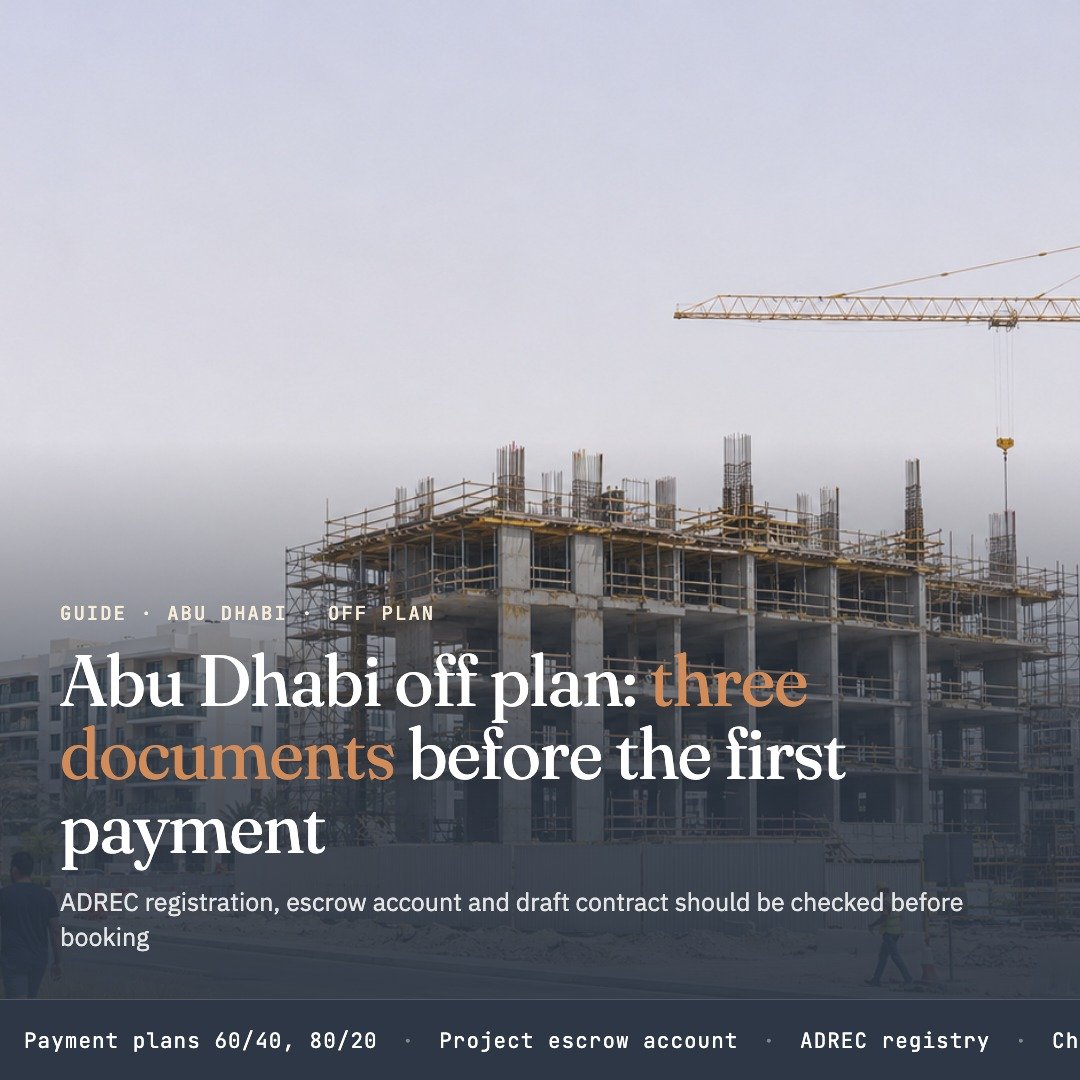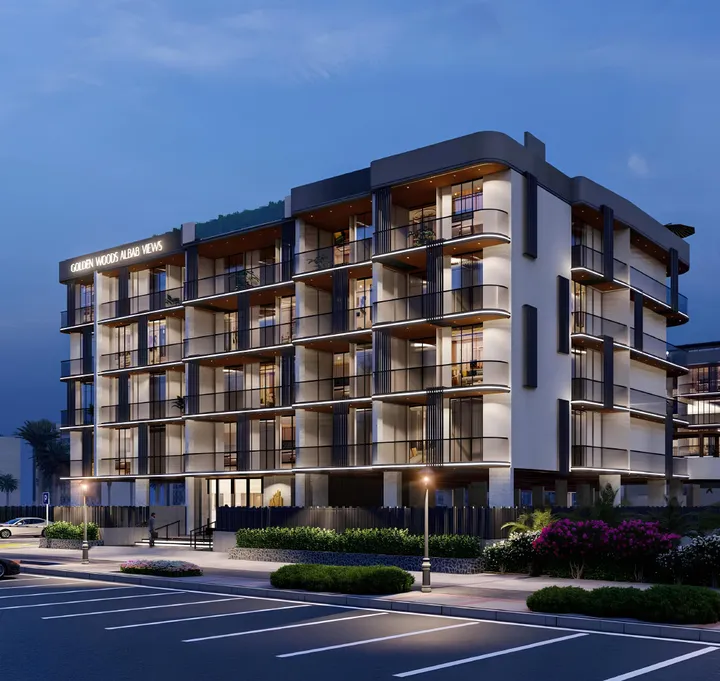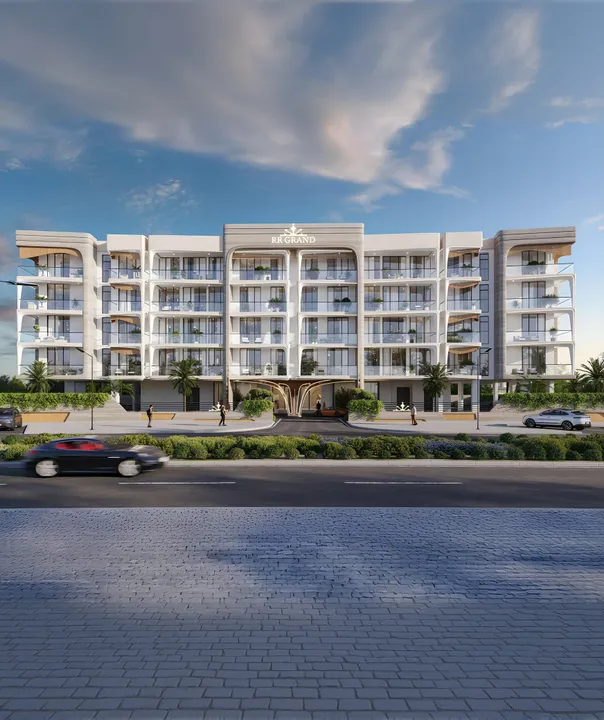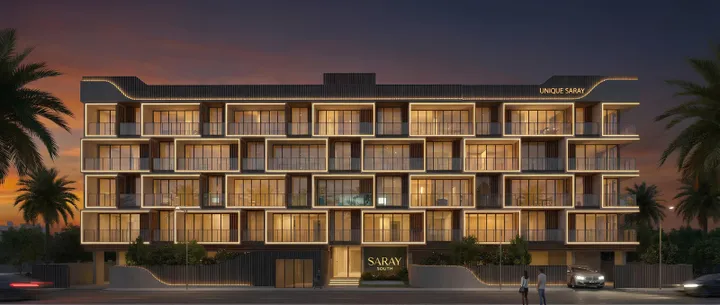

Before the first dirham leaves your account on an Abu Dhabi off plan purchase, three documents should already be in your hands. The project registration, the escrow account details and the draft sales contract. If a seller offers a reservation form without any of the three, the conversation is ahead of the paperwork, and that order usually favors the seller.
We advise buyers on this market from the buyer's side of the table. This guide covers how an off-plan purchase in the emirate is structured, where a payment plan helps and where it hurts, what escrow does, and a checklist you can run before booking. Anything that comes from a developer's marketing is labeled as a developer claim. Anything about regulation should be confirmed against the current text at the regulator, because rules are updated.
What does off plan mean in Abu Dhabi?
Off-plan means buying a unit in a project that is still under construction or has not started building yet. In Russian-language searches people often say "on the excavation stage", which describes the earliest phase. You sign a sales contract for something that exists as drawings, a master plan and a sample apartment.
A finished unit works differently. You can walk through it, check the plumbing, see the neighbors, and in many cases rent it quickly. With an off-plan unit you take on delivery risk, construction-quality risk and market risk over the period between signing and handover. In exchange you usually get a lower entry price, a staged payment schedule and a wider choice of layouts and floors.
Who this suits: buyers with a multi-year horizon who can leave capital committed to a schedule and who are comfortable relying on documents rather than inspection. Who it does not suit: anyone who needs rental income soon, anyone whose financing depends on a fixed date, and anyone who would struggle to cover a missed installment.
How does an Abu Dhabi off plan payment plan work?
A payment plan splits the price into installments tied either to dates or to construction milestones. Developers advertise ratios such as 60/40 or 80/20, meaning a share paid during construction and a share paid at or after handover. Some projects offer post-handover schedules, where part of the price is paid after you receive the keys. The exact structure differs by project, so take the figures only from the project's own sales documents, not from an agent's summary or a banner.
Three details change the real cost of a plan more than the headline ratio.
The first is the trigger for each installment. A schedule tied to certified construction stages follows the building. A schedule tied to calendar dates keeps running even if the site slows down. Ask which one you are signing.
The second is the fees outside the plan. Registration charges, service-related payments and other costs are often listed separately from the price. We cover that in the costs section below.
The third is the penalty clause. A payment plan is only as flexible as the contract says it is. What happens if an installment is late, whether there is a grace period, whether interest or a fixed penalty applies, and whether the developer can cancel the sale and keep deposits are all contract terms. Read them before you read the brochure. A missed payment on a plan that looked gentle can turn into a dispute about how much of your money is forfeited.
If you plan to finance part of the purchase, check early how banks treat off-plan units. Many lenders behave differently before handover, and the topic of an Abu Dhabi off plan mortgage deserves its own conversation with a bank, not an assumption made at the booking stage.
What is an escrow account and how does it protect buyers?
An escrow account is a separate, regulated account where buyers' installments for a specific project are held. The developer cannot treat that money as ordinary operating cash. Funds are released for construction according to the rules that govern the account, which in Abu Dhabi are set by the emirate's real estate regulator. The point of the structure is that your payments are tied to the building you are buying.
We wrote about the same mechanism in Dubai in our guide to how buyer money is protected in escrow accounts. The principle carries over, but the regulator, the paperwork and the release rules are specific to each emirate, so do not assume the Dubai details apply.
How to check it in practice:
Ask for the escrow account details before any payment, in writing. The account should be project-specific, and the payee on your payment instructions should match it. If instructions send money to a general developer account, to an individual, or to a company that differs from the one on the contract, stop.
Ask the regulator or your lawyer to confirm that the account exists and is linked to your project. Do not accept a screenshot as proof. A genuine project will not object to this check.
Keep every receipt and match it to the schedule in the contract. If something is paid in a different way from what the contract says, you have a problem before the first dispute, not after it.
Escrow reduces risk. It does not remove it. It does not guarantee the building will be finished on time, and it does not make the project a good investment. It answers one question: where is the money while construction goes on.
How do you confirm ADREC registration for an Abu Dhabi project?
Off-plan sales in Abu Dhabi run through a registration system at ADREC, the emirate's real estate regulator. A project that is lawfully sold should be registered, and the registration should correspond to the developer, the plot and the unit type you are being offered.
Our approach is to ask for the registration reference at the first meeting and to verify it independently. Three things should match across documents: the developer's legal name, the project name, and the plot or master-plan identification. A different spelling of the company name between the brochure, the contract and the payment instructions is a reason to pause, not a typo to ignore.
If the seller says registration is "in progress", treat that as a statement of intent. Ask for the date it is expected, what it depends on, and whether the contract lets you withdraw with your deposit returned if it does not happen. Do not wait for the registration promise to be repeated by a sales manager. Wait for the document.
How do you vet a developer such as Aldar?
Name recognition is a starting point. For a developer you need evidence of delivery.
Look at the completed projects, not the launch announcements. Compare original handover dates with actual ones. Visit a finished building and look at common areas, not just the show unit. Speak to owners if you can, and read what the resident community says about maintenance and service charges.
Aldar Properties is the largest name most buyers meet when they search for Aldar projects in Abu Dhabi, with communities such as Yas Island and Al Reem Island often discussed. People also compare Aldar projects in Dubai with its Abu Dhabi launches. That comparison is useful for understanding pricing and product style, but a buyer's delivery check should be specific to the project you are considering, since each launch has its own contractor, schedule and escrow arrangement.
Treat statements such as "delivered on time", "sold out in hours" or "guaranteed rental yield" as developer claims. They may be accurate, and they may be framed selectively. Ask what is measured, over which period, and who verified it. A smaller or newer developer needs the same questions asked more firmly, with extra attention to the track record of the construction contractor and the lender behind the project.
What should the contract contain before the first payment?
The sales contract decides what happens when things go differently from the brochure. Read these parts with a lawyer who works in the emirate:
- The parties and the unit. Legal names, unit number, floor, size and a floor plan attached to the contract.
- The price and the schedule. Every installment, its trigger, and the account it goes to.
- The handover date. Look for how the date is defined, whether there is a window, and what counts as completion.
- The delay terms. If handover is late, what compensation or exit right do you get, and after how long.
- The default terms. What the developer can do if you are late with a payment.
- The specification. Finishes, appliances and common facilities, described in the contract itself, not only in the marketing material.
- The resale terms. Whether you may transfer your contract before handover and what the developer charges for that.
If the developer refuses to change a term, you still get information. A contract that favors the seller on every clause is a data point about how the relationship will go.
What happens if the handover is delayed?
Delays in off-plan construction happen across the region, so plan for the possibility. Your protections come from three places: the contract, the regulator's rules and the escrow structure. Read what the contract says about the delay period and your remedies. Keep written records of the notices you receive from the developer and of the construction progress you can see for yourself.
In practice the buyer's useful actions are simple. Keep paying according to the schedule while the contract requires it, since stopping payment can create your own breach. Ask the developer for a written update on progress and new dates. Take legal advice before sending any formal notice, and know whether your contract gives you a right to withdraw or to claim compensation. A buyer who has all paperwork in order is in a much better position than one reconstructing the history later.
Can you resell an Abu Dhabi off-plan unit before handover?
Sometimes, subject to the contract and to the rules in force. Resale before completion is usually allowed only on conditions, and those conditions can include a minimum share of the price already paid, an administrative fee, and the developer's consent. We do not state specific thresholds here, because they vary by project and may have changed. Ask the developer for the resale conditions in writing before you buy, and ask what documents the new buyer would receive.
Do not underwrite your purchase on the assumption that you can leave early at a profit. A buyer who plans to hold until handover has a margin of safety that a flipper does not.
What costs come on top of the price?
The contract price is rarely the whole outlay. Plan for registration and transfer charges, any administrative or developer fees, legal fees if you hire a lawyer, and service charges once the building is operating. Furnishing and, for rental, preparation and management costs come later. Ask for the full list in writing and put it into your calculation next to the payment plan, so you compare projects on total cost and not on the first installment.
When is a ready property the better choice?
A completed unit makes more sense in several situations. If you need rental income in the near term, a ready apartment can start working right away. If you are buying with a mortgage and the lender prefers completed property, ready stock may simplify the process. If you are uncomfortable with a multi-year commitment, or you want to inspect what you are buying, a finished unit lets you do that. The price may be higher, and the choice of layouts narrower, but you are paying for certainty.
Our view: off-plan fits a buyer who has already compared it against ready stock in the same area and still prefers it, and can say why in one sentence.
Pre-booking checklist for Abu Dhabi off plan
Run these steps before you pay a reservation fee:
- Get the ADREC registration reference and verify it with the regulator.
- Get the escrow account details in writing and confirm that the payee matches the contract.
- Check that the developer's legal name is identical across brochure, contract and payment instructions.
- Review the developer's completed projects, original and actual handover dates.
- Read the sales contract with a lawyer: delay terms, default terms, resale terms, specification.
- Calculate total cost with fees and service charges next to the payment schedule.
- Mark every developer claim you cannot verify independently.
- Compare the unit with comparable ready stock in the same area.
If you want to see current launches and compare them side by side, you can browse the off-plan catalog for Abu Dhabi and ask our team to run this checklist on any shortlisted project.
Frequently asked questions
Is there an Abu Dhabi off plan mortgage option?
Some banks lend against off-plan units and some do not, and the terms before handover often differ from those on completed property. Ask the bank in writing what it will finance for the specific project, at what stage, and under which conditions. Do this before you sign, since the sales contract may not release you if financing fails.
Which Aldar projects are in Yas Island and Al Reem Island, and how do they compare?
Both islands host Aldar developments, and buyers often compare them by lifestyle and location. Because project mix, delivery dates and payment plans change with every launch, we recommend comparing current offers from the developer's own documents, then checking the registration and escrow for the specific project you shortlist.
What is the safest first step for abu dhabi property for sale off plan?
Verify registration and escrow before discussing price. Request the ADREC registration reference, the escrow account details and the draft contract, and have them reviewed independently. Only then compare payment plans.
Sources
- Abu Dhabi Real Estate Centre (ADREC). Off-plan property registration framework and escrow regulations for Abu Dhabi. Consult the current text on the regulator's official website before relying on any detail in this article.