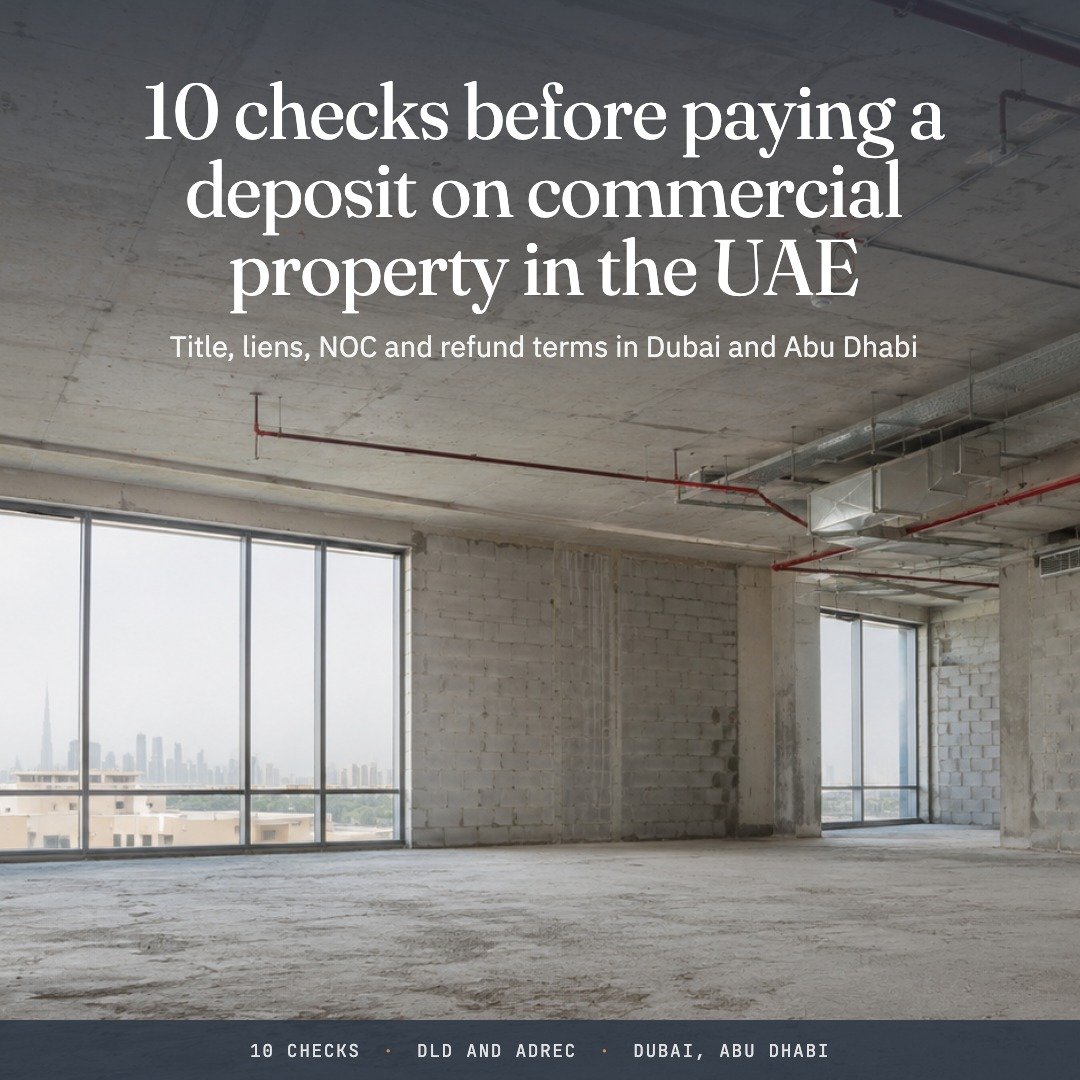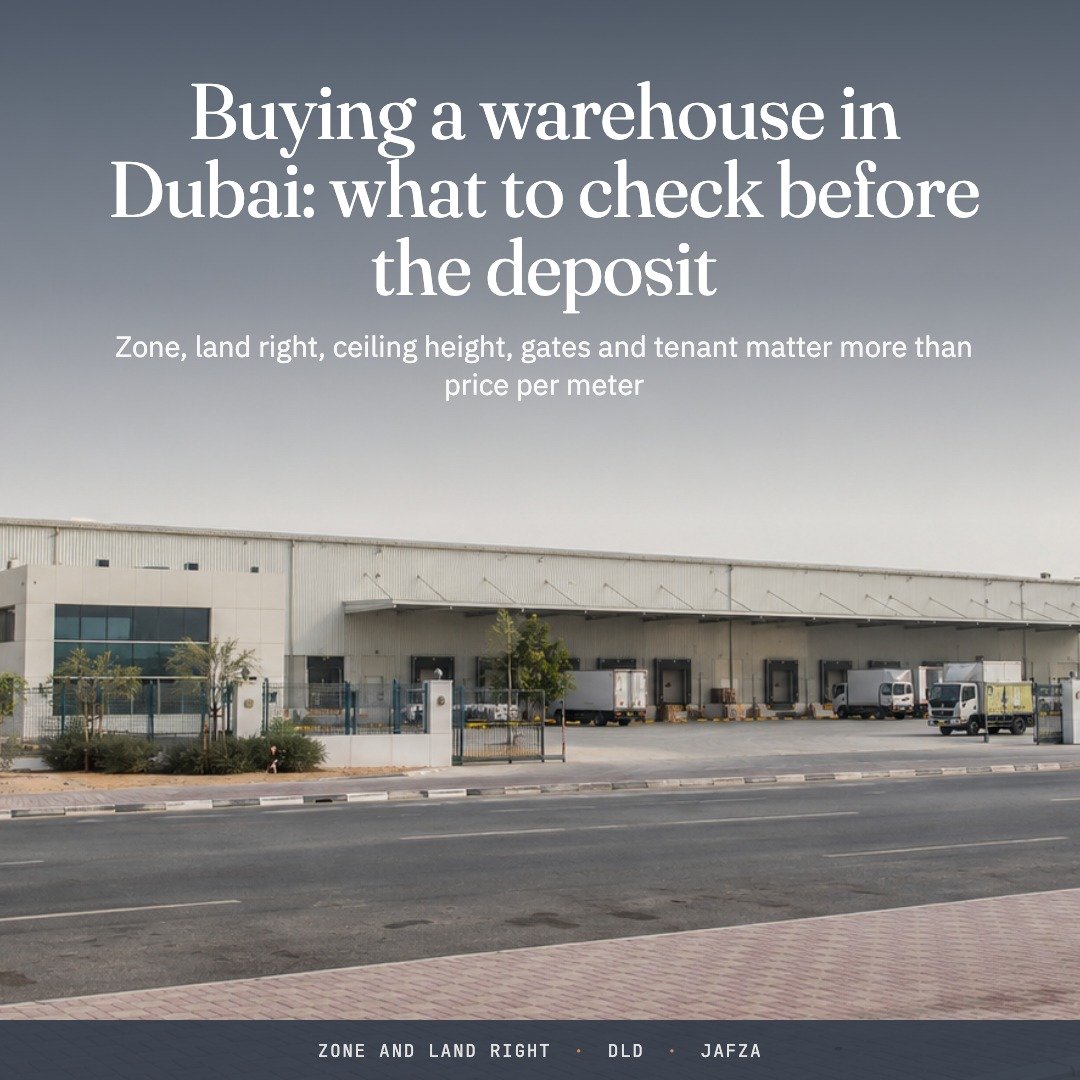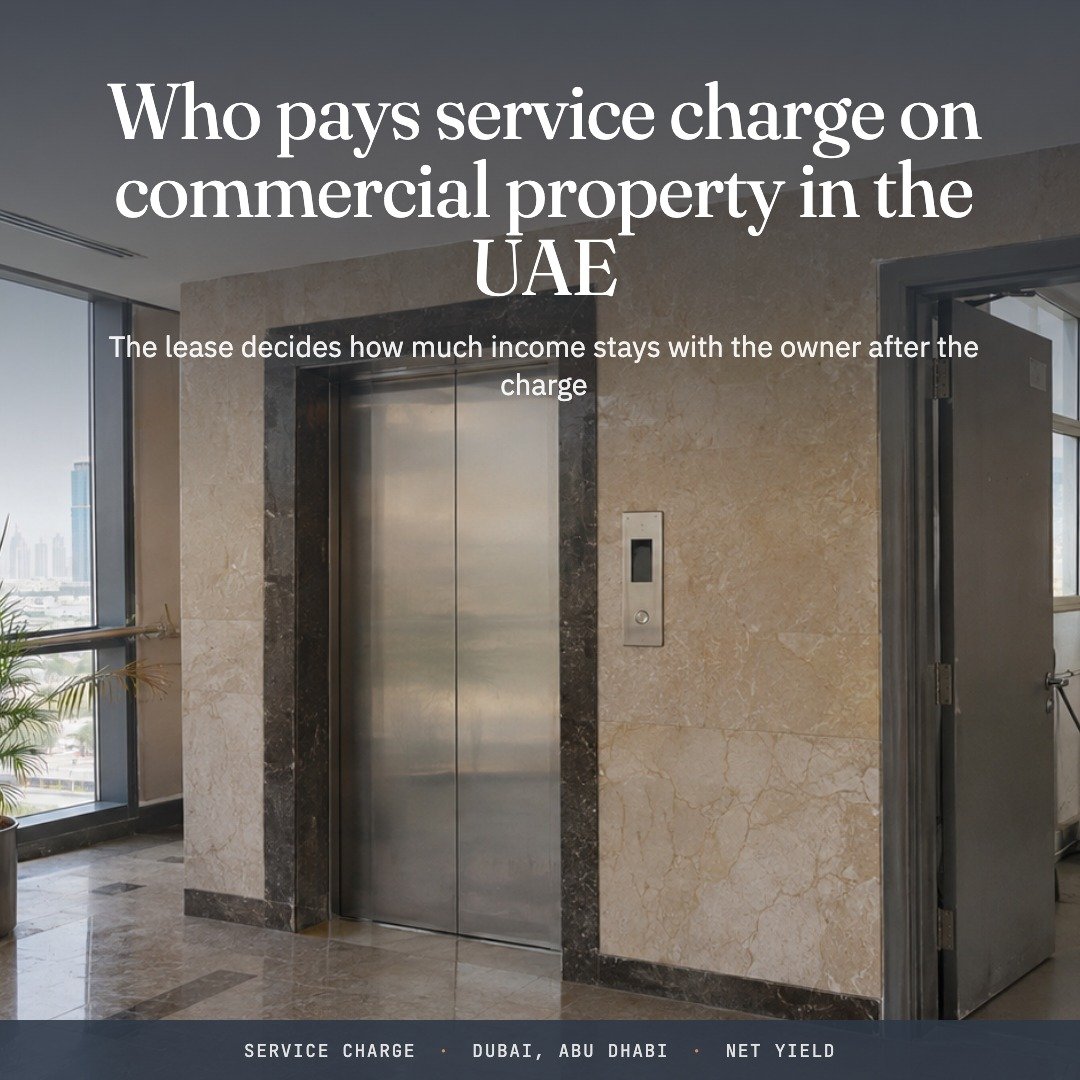

A deposit on a commercial unit often goes out on a handshake and a draft memorandum. The seller is friendly, the broker is confident, and the unit looks good on a viewing. Then the buyer finds that the seller does not hold the title, that a mortgage sits on the unit, or that the building does not allow the licence the buyer needs. Most of these problems can be found in a few days, before any money moves. This checklist covers what to ask for, who to ask, and what you can confirm in writing.
Our team works on the buyer side. We do not earn from pushing a unit, so we say plainly where this process is slow, where it is annoying, and who it does not suit. Buyers who want to wire funds the same day to lock a price will find it frustrating. Buyers who intend to hold an office, shop or warehouse for years will find it cheap insurance.
How to buy commercial real estate without losing the deposit?
The order matters. Documents on the seller and the unit come first. Documents on the building and its costs come second. The contract terms around the deposit come last, because they only make sense once you know what you are buying. Each check below names the document and the person who holds it.
A note on figures. Where we quote a deadline, it comes from the page of the relevant authority. Everything else, such as rent, charges and deposit terms, belongs to the contract for the specific unit, and we do not guess it. Registration works differently in the two emirates: in Dubai the Dubai Land Department (DLD) registers sales, while in Abu Dhabi ownership is transferred only by registration in the Real Estate Register.
Check 1: does the seller actually own it?
Ask the seller for the Title Deed (the official document confirming ownership) and a copy of the seller's passport or company documents. If the seller is a company, ask for the trade licence and the document showing who may sign for it. A non-resident foreign buyer or seller can use a valid passport as identification for DLD sale registration, so a missing Emirates ID is not a reason to accept missing papers.
Red flags: the name on the Title Deed differs from the name of the person selling, the seller sends a photo of a document but refuses a certified copy, or someone appears with a power of attorney that you cannot trace to the owner.
Check 2: are there mortgages, liens or court holds?
A unit with a mortgage can be sold, but the bank must agree and the debt must be settled at transfer. Ask the seller for a written statement of whether the unit is mortgaged, and ask for the bank's name if it is. If you plan to finance your own purchase, budget for the mortgage registration fee as well, and confirm the current amount on the DLD service page for granting a property mortgage.
Red flags: the seller says the mortgage is "almost paid off" and offers no bank letter, or asks for the deposit to be sent to settle the debt, with no escrow and no bank involved.
Check 3: what is the status of the building and the permitted use?
A commercial unit is only useful if the activity you plan is allowed there. An office licence, a retail licence and a warehouse or light industrial licence are not interchangeable. Ask the developer or the building management for the approved use of the unit and the building, and compare it with the activity you plan to license.
Where a building is off-plan or recently handed over, treat anything verbal as a developer claim until you see the paper. In Dubai, an initial (off-plan) sale contract must be registered in the provisional register within 90 days of signing, so ask the seller to show that this was done.
Red flags: the listing says "suitable for any business", the seller cannot name the approved use, or the unit has been fitted out in a way that differs from the plan, for example partitions or a mezzanine that nobody can document.
Check 4: what does the tenant contract say, if there is one?
An occupied unit comes with a tenant (the party renting it). Ask for the full lease, any amendments, the payment record and any side letters. Read the term, renewal rights, who pays the service charge (the fee for running the building), and whether the tenant may leave early.
We do not quote occupancy or yield figures from a brochure. A tenant on a short, low lease and a tenant on a long lease with a creditworthy company are very different assets even at the same asking price. Any return calculation should use figures from the signed lease, never seller estimates.
Ask also for a tenant confirmation that no extra agreements exist, and for the status of any security deposit held by the seller. The seller must transfer it to you or credit you for it.
Red flags: the lease is unsigned or missing pages, the rent in the listing differs from the rent in the contract, or the tenant is a company linked to the seller.
Check 5: are service charges and building debts settled?
Service charges are paid for the shared parts of the building, such as the lift, cooling, security and cleaning. Under Dubai Law No. 6 of 2019 the owner is liable for service charges and usage charges for jointly owned property, and the owner is not discharged even if a tenant does not pay. Accumulated unpaid charges can lead to the sale of the unit to settle them, so the history of the unit's account matters to a buyer.
Ask the management company for a statement showing the charges for the unit, any arrears, and the current budget. Written confirmation is the only reliable source here: ask for a clearance letter that is dated and signed by the management company, and note that it reflects a given date. If the signing is delayed, ask for an updated one.
Red flags: the seller says the charges are "low" without a statement, the management company has never been contacted, or the building has disputes among owners over special assessments.
Check 6: NOC and transfer conditions
For a DLD sale registration in freehold areas, a developer no-objection e-certificate (e-NOC) is required, and it is obtained through the Dubai REST App. Ask who requests it, how long the process normally takes, and who pays for it. Put the answers in the contract. The transfer step itself is completed through DLD in Dubai or through the Real Estate Register in Abu Dhabi, with both parties and the documents present or properly authorised.
Red flags: nobody can say who pays for the NOC or what happens if it is refused.
Check 7: the full list of buyer costs
Beyond the price, a buyer pays registration fees, brokerage, the NOC and sometimes other items tied to the unit. The DLD sale registration service page lists the registration fees for a registered sale in Dubai, so take the current amounts and the split between seller and buyer from that page. Make the list before the deposit and match it against the contract.
Red flags: the seller or broker quotes only the price of the unit and stays silent on the rest.
Check 8: refund terms for the deposit
The refund terms live in the preliminary agreement and nowhere else. Read when the money is returned in full, when it is withheld, and who holds it: the broker, the seller or an escrow account. Ask for refund clauses in case the bank refuses, a lien is found or the documents are not ready.
The contract wording can only be confirmed in writing, and a lawyer who works in the UAE should review it. If a condition matters to you, such as financing or licence approval, it needs its own clause with a deadline.
Red flags: the deposit is non-refundable "in all cases", the funds go to a personal account, a deposit is requested before a contract exists, or penalties apply only to the buyer.
Check 9: who is the broker, and are they authorised?
Where to buy commercial property is a question many buyers ask first, but who represents the deal matters just as much. Whether you use a commercial real estate agent in Dubai or one in Abu Dhabi, ask for the broker's licence number, the brokerage's registration, and the written authority from the seller to market the unit. In Dubai, a broker who applies for an advertising permit must provide a copy of the marketing contract with the property owner, so that document should exist. Ask whether the broker represents the seller, the buyer, or both, and how they are paid.
When you compare commercial real estate brokers in Dubai, ask each one the same questions and compare the paperwork they can show. A broker who answers quickly and sends documents is worth more than one who offers a discount and a deadline.
Red flags: the broker will not name the brokerage, two agents offer the same unit at different prices, or the broker asks for the deposit to be paid to a personal account.
Check 10: written confirmation that the unit suits your activity
The last check ties the others together. Before the deposit, get a written statement from the seller, the developer or the management, as relevant, that the unit may be used for your intended activity, and note the licensing authority that will approve it. If the licensing step needs a separate approval, add it as a condition to the contract. A single sentence in an email from the broker does not count.
Red flags: the answer is "it should be fine", the seller refuses to put anything in writing, or the previous tenant used the unit for a different activity and the seller treats that as proof.
Who this process does not suit
Buyers who need to close in a few days will find these checks too slow. Buyers who rely on a single verbal assurance from a seller will find the paperwork excessive. For buyers who plan to rent the unit out or operate from it, a week spent on documents costs little against a transfer that stalls halfway.
There is also a limit to what a checklist does. It cannot replace a lawyer's review of the contract, and it cannot confirm anything that only the seller, the bank or the management company can state. What it does is show you which documents are missing, so the gaps are visible before the deposit leaves your account.
What to do with the answers
Put the ten checks in a table of your own with three columns: the document, the person who issues it, and the date you received it. Gaps in that table are the questions for the seller. If a gap stays open after a reasonable time, that tells you something about the unit. Abu Dhabi adds its own restrictions: for non-UAE persons, registration of apartments is limited to units other than the ground floor within the investment areas.
Frequently asked questions
Where to buy commercial property in the UAE?
The answer depends on the activity. Dubai and Abu Dhabi regulate ownership, registration and licensing separately, so the same unit type can behave differently in each emirate. Start from the use you need, check where that use is permitted, and then compare buildings.
Do I need a commercial real estate agent in Dubai?
A licensed agent helps with listings, register checks and negotiation, but the agent is not required for you to verify documents. Ask for the licence, ask whom they represent, and get the seller's authority to market the unit in writing. If the agent cannot show these, treat the offer as unverified.
How do I choose among commercial real estate brokers in Dubai?
Compare the same things for each: licence number, written seller authority, how they are paid, and which documents they can produce before you pay a deposit. Speed of answers and quality of paperwork say more than a discount.
If you have a preliminary agreement for an office, a shop or a warehouse in Dubai or Abu Dhabi on your desk, write to us through the contact form on the site, and we will go through the ten checks with you before the deposit stage.
Read also
Sources
- Dubai Land Department: property sale registration
- Dubai Land Department: request to register the initial sale
- Dubai Land Department: grant property mortgage
- Dubai Land Department: real estate ad permit
- Dubai Land Department: property owner is obliged to pay service and usage charges for jointly owned property
- Abu Dhabi Real Estate Centre (ADREC): property ownership and registration