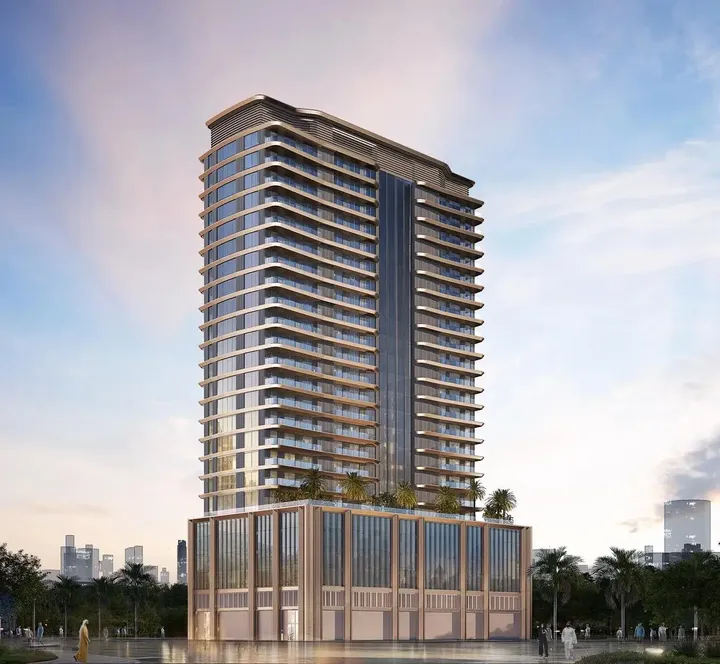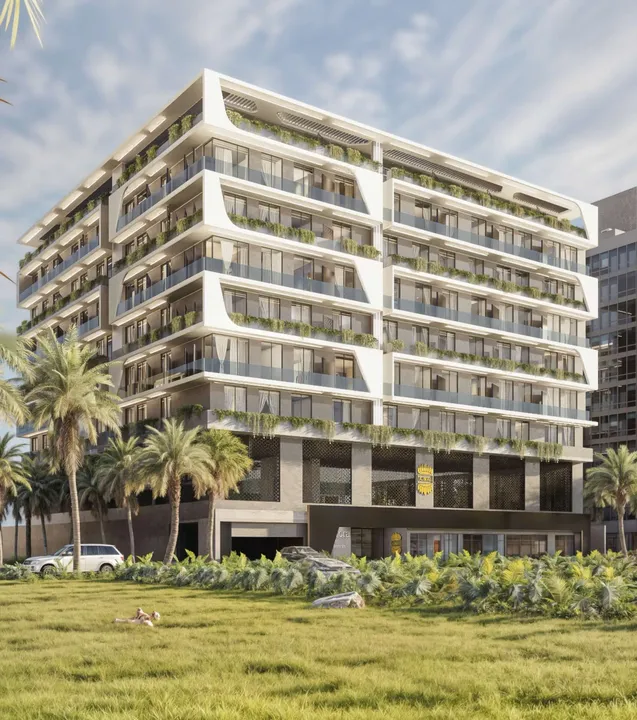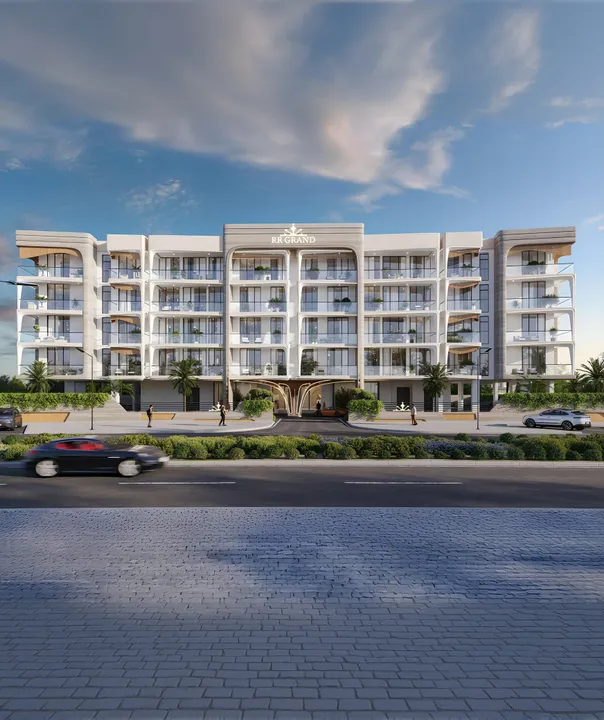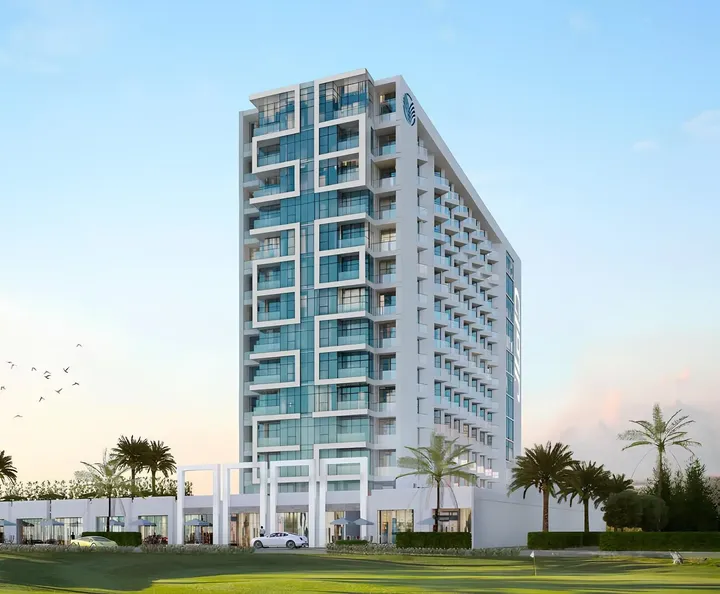

A buyer who pays a deposit on an unbuilt office in Dubai receives a payment receipt and a brochure. The building does not exist yet. What protects the money is a set of records that can be checked: a project escrow account, a contract registered with the Dubai Land Department (DLD), and the developer's public history. Our team starts every review of commercial property in Dubai from a developer with these three records, before the price, the view or the yield in the brochure.
How buying under construction differs from buying a finished unit
A finished office can be inspected. Its Title Deed (the document confirming ownership) is already in the seller's name or can be transferred at once, the service charge history exists, and the tenant, if there is one, signs a lease you can read. The buyer pays for something that is visible.
An off plan office has none of that. The buyer holds a contractual right to receive a unit in the future. The value of that right depends on whether the project is registered, whether the money is held in a protected account, and whether the developer has delivered before. Payment is spread across construction milestones, and the final ownership document appears only after handover.
Commercial units add a second layer. A residential buyer mostly cares about living in the flat or renting it out. An office buyer depends on the commercial logic of the whole building: the floor plate, the parking allocation, the permitted use of the unit, and the type of tenants the project is designed to attract. We ask buyers to read the permitted use of the unit in the contract and the project documentation before reading any yield forecast. A forecast is a developer's statement. The permitted use is a fact on paper.
Off plan office for sale in Dubai: what the buyer actually owns
Between signing and handover, the buyer owns a registered contractual claim on a specific unit. Three things give that claim weight.
First, the project must be registered with the authorities, with its permits in place. Second, the payments must go into the project escrow account. Third, the sale contract must be registered with DLD through Oqood.
If one of the three is missing, the claim is weaker than the brochure suggests. We do not say this to discourage purchases. Plenty of off plan offices are delivered as planned. We say it because each link takes a few days to check and costs the buyer nothing but attention.
For whom does this not fit? Buyers who need an income-producing office within a short, fixed window should be careful. Construction timelines are the developer's estimate, and the contract defines what happens when they slip. A buyer who cannot wait for a delayed handover is better served by a finished unit, even at a higher price per square foot.
What is an escrow account and how do you confirm your money goes through it
An escrow account is a separate bank account where buyers' payments for a particular project are held. The developer does not simply receive the cash. Funds are released against construction progress, which is meant to tie spending to actual building.
The practical question is how a buyer confirms the payment route. Our checklist:
The payment instructions in the sales offer name an account that belongs to the project, and the account details match what DLD shows for that project.
The payee is the escrow account, never a developer's general corporate account and never a broker's account.
The receipt for each installment names the project and the unit.
Any request to pay somewhere else, even with a plausible explanation, is a reason to stop and verify in writing with the developer and the escrow bank.
We have a separate piece on how buyer money moves in these structures: escrow accounts in Dubai off plan purchases. It is worth reading before the first transfer.
One limit to state plainly. An escrow account reduces the risk that buyer money is spent on something other than the project. It does not guarantee completion on time, at the promised specification, or at the promised value. The account is a control on cash, and the developer's capability remains a separate question.
What is Oqood and why register the contract
Oqood is the DLD registration of a sales contract for a property under construction. In plain terms, the transaction is entered into the official system, which links the unit, the buyer and the contract terms to a state record.
Why it matters to an office buyer:
Without registration, the buyer relies on a private document between two parties. With registration, the claim exists in the official register and the buyer can point to it.
The registration shows the unit and the buyer's name, which prevents the situation where the same unit is sold twice through separate private agreements.
At handover, the registered contract is the starting point for issuing the Title Deed to the buyer.
Ask the developer and the sales team who submits the registration, when it will be done, and what fees apply. Fees are set by DLD and by the project terms, so we ask for them in writing and do not rely on a verbal figure. After registration, request the confirmation document and keep it with the contract and payment receipts.
How to check the developer before paying
The brochure shows the developer's marketing. The official registers show its record. Our verification sequence for a commercial off plan project:
Project registration. The project should appear in the official DLD project register under the developer's name. The registered name, plot and project type should match what the sales office describes.
Permits and licenses. Confirm that the developer's trade license is valid and that construction permits exist for this project. The sales team can supply the numbers, and the buyer checks them against official sources.
Escrow. Match the escrow account to the project, as described above.
Delivery history. Look at earlier projects by the same developer. Were they handed over, and when, compared with the dates originally announced? A developer with finished buildings you can visit is easier to assess than one with only renderings.
Corporate structure. Many projects are held in a separate company created for the building. Ask which legal entity signs the contract and who stands behind it.
A short table helps keep the review organized.
Check | Where to look | What to keep Project registration | Official DLD project records | Registration number, screenshot or printout Escrow account | DLD project data and developer's written confirmation | Account name and bank details in writing Developer license | Official licensing authority records | License number and validity Delivered projects | Developer's earlier buildings and public records | List of buildings and handover dates Contract registration | DLD Oqood system | Confirmation document
Source: Dubai Land Department, official project and contract registration services, accessed November 12, 2026.
The payment schedule and what to confirm in writing
A payment plan in an off plan sale is usually tied to dates or construction stages. The plan appears in the sales offer, and the binding version sits in the contract. We tell buyers to compare the two line by line, because a discrepancy between a brochure and a contract is resolved in favor of the contract.
What we ask the developer to confirm in writing:
The exact amount and due date of each installment, and the milestone it refers to if it is stage-based.
The name of the escrow account for every payment.
The fees on top of the price, who pays them, and when.
The planned handover date and the contractual definition of handover.
The permitted use of the unit, its area and its parking allocation.
The service charge arrangement after handover, including how the first period is treated.
For a buyer thinking about financing, the construction phase has its own limits. Banks have their own rules for lending against unfinished commercial units, and conditions change by project and by bank. We do not quote terms here because they vary, and a buyer who needs financing should get the bank's position before signing.
What happens if the handover is delayed
This is the question buyers ask last and should ask first. Our honest answer: it depends on the contract and on the official rules that apply to the project, and we do not promise any particular remedy.
What the buyer can do before signing:
Read the clause that defines the handover date and any grace period the developer has given itself.
Read what the contract says about a delay beyond that period: whether the buyer may terminate, whether any refund is described, and how the refund would be paid from the escrow account.
Check the official rules for registered projects with the DLD, and ask a qualified Dubai lawyer to compare them with the contract.
Ask the developer for a written timeline and for the construction progress reports that are tied to escrow releases. A project that releases funds on schedule is moving. A project with long gaps in reported progress needs questions.
A buyer who needs to know their position in a delay scenario should understand it before the first installment, since afterwards the leverage is smaller.
How off plan offices differ from off plan apartments
The legal frame is similar. The commercial logic differs, and we see buyers underestimate that.
An apartment competes with thousands of similar apartments, and a buyer can estimate the rental market from comparable listings. An office depends on the building's whole tenant mix, on the business district around it, and on the supply of competing offices when the project is delivered. The developer's statement that the area is growing is a claim, and a buyer checks it against what is already being built nearby.
Offices also come with practical points that residential buyers rarely meet: fit-out responsibility, whether the unit is delivered as shell and core or as a finished space, signage rights, and the extent of the service charge for shared building systems. Each of these changes the real cost of occupying or leasing the unit. The sales offer rarely makes them prominent, so ask about each of them directly.
Red flags we watch for
A request to pay into any account that is not the project escrow account.
A sales offer that cannot be matched to a registered project in the official records.
Reluctance to provide the registration number, license number or escrow details in writing.
A contract that differs from the offer on dates, fees or the unit specification.
Pressure to pay a reservation quickly because the price will rise or the unit will go.
A developer with no completed projects and no clear corporate structure behind the one it is selling.
Yield promises or guaranteed rent presented as a fact without a signed lease or a written, enforceable commitment.
One red flag does not prove a bad project. Several together mean we recommend that the buyer pause and verify before paying anything.
What the buyer does next
The order matters. Verify the project and the developer first. Confirm the escrow route second. Read the contract and compare it with the offer third. Register through Oqood and keep the confirmation. Only after that does the payment schedule become a financial plan, and not a leap of trust.
Our team reviews these points for buyers considering commercial property from developers in Dubai, and the process is described on our off plan support page. We work for the buyer, which means that sometimes the review ends with a recommendation to walk away.
FAQ
Can I buy an office directly from a developer in Dubai?
Yes, developers sell units in their registered projects directly or through brokers. The buyer's task is the same either way. Confirm that the project is registered, that payments go to the project escrow account, and that the sale contract is registered through Oqood.
What is Oqood and do I need it for an off plan office?
Oqood is the DLD registration of a contract for a property under construction. It links the unit, the buyer and the terms to an official record. We recommend that every off plan buyer confirms the registration and keeps the confirmation document, since it supports the later issue of the Title Deed.
Is the money for an off plan commercial unit paid through an escrow account?
For registered projects, buyer payments are meant to go to a designated project escrow account. The buyer should verify the account details in writing against the official project data and never pay into an account that differs from them. The account controls how funds are spent. Delivery timing remains a matter of contract and developer capability.
Sources
-
Dubai Land Department. Official services for property registration, project and contract registration (Oqood), and developer project information. https://dubailand.gov.ae. Accessed November 12, 2026.
-
Dubai Land Department. Escrow account arrangements for registered off plan projects, as described in official project information. https://dubailand.gov.ae. Accessed November 12, 2026.