
Why the UAE's new heat and dust plan will split buyers into two camps
In October 2026 the UAE health authorities published a six-year climate adaptation plan for the health sector, running from 2026 to 2031. It names six groups of climate-sensitive health risks: heat illness, cardiovascular strain in extreme heat, respiratory conditions triggered by dust and poor air, vector-borne diseases, water- and food-borne illnesses, and mental health stress from environmental disruption. The plan adds early warning systems for heat spikes, humidity and air quality, plus upgraded surveillance and more resilient hospital supply chains.
On paper this is a healthcare document. For a buyer of UAE property it is a signal about which buildings will hold their value through the next decade, because the plan names children, seniors and residents with heart or lung conditions as priority groups. Those are the people who decide where a family lives year-round.
Why health policy reaches the property market
The UAE has a consistent record here. Each federal health or climate directive has eventually turned into stricter municipal standards, and stricter standards have turned into a price gap between new, well-engineered communities and older stock. Abu Dhabi made its Estidama Pearl rating mandatory in 2010. Dubai required its Al Sa'fat green building rules across all new builds in 2020. The National Air Quality Agenda 2031, approved in September 2022, covers both outdoor and indoor air. The federal climate law, Decree-Law No. 11 of 2024, took effect in May 2025.
April 2024 added a physical reminder. The country recorded up to 254 mm of rain in 24 hours, and Dubai answered with a rainwater drainage programme valued at AED 30 billion. Infrastructure money follows weather events, and building standards follow infrastructure money.
The new plan sits on top of that chain. Our team reads it as the next link. Heat and air quality are moving from background discomfort to measured, publicly reported conditions. Once an air quality index and a heat alert reach a resident's phone every day, the comfort of the building behind the front door becomes something people compare.
The two classes of buildings
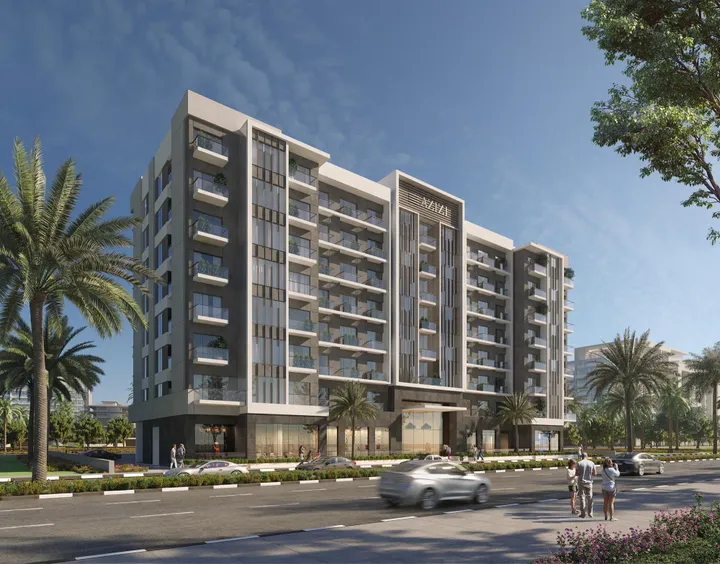
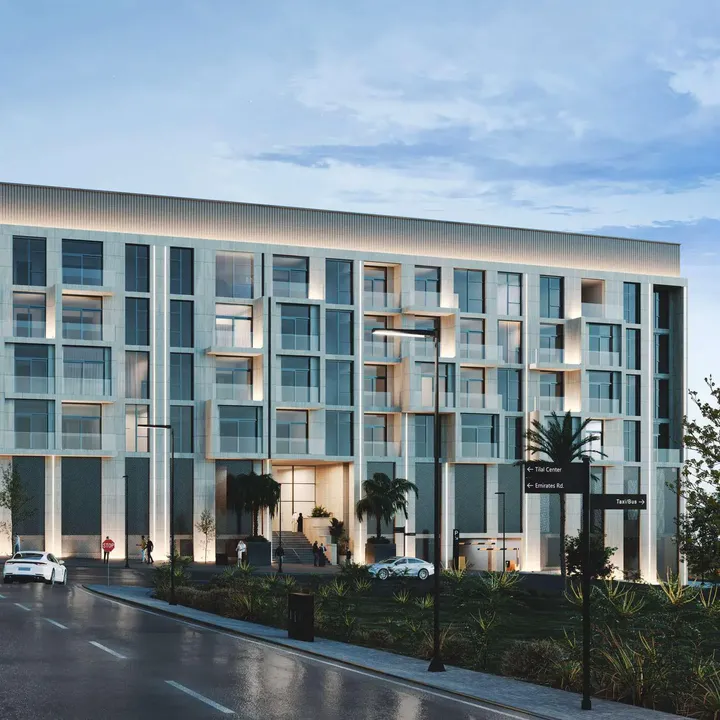
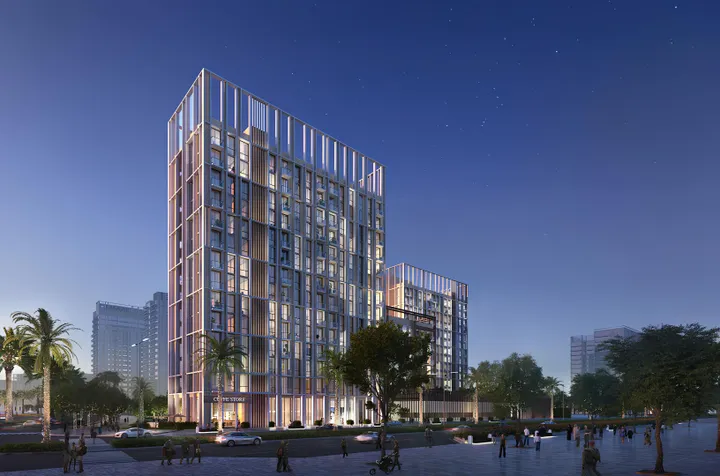
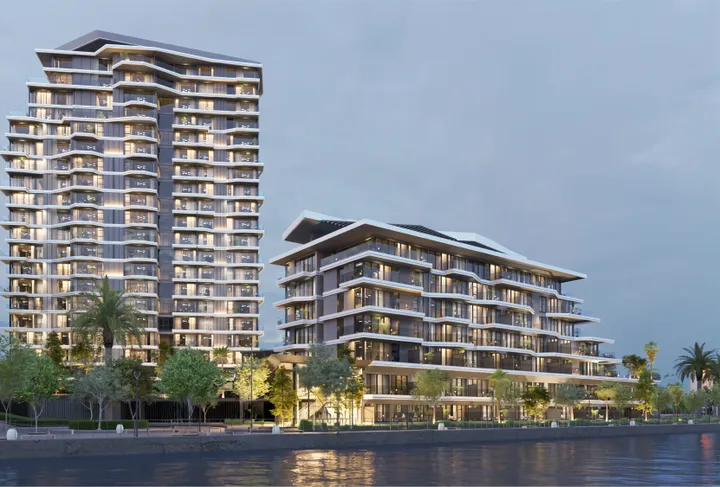
We expect the market to sort itself along a simple line. On one side sit buildings with certified efficiency, hospital-grade ventilation and filtration, low-emissivity glazing, shaded walkways and district cooling. On the other sit older towers with weak insulation and heavy chiller bills.
The numbers behind this gap are concrete. Buildings built to the mandatory Al Sa'fat tiers (Silver, Gold, Platinum) and connected to district cooling record 20% to 35% lower electricity and cooling consumption than older non-certified stock. In Ras Al Khaimah, the Barjeel green building regulations target 30% energy savings and 20% water savings against baseline construction. For a landlord, that difference lands in the net yield. For a tenant, it lands in the monthly utility bill, and a tenant who sees a bill that high once will check it before the next lease.
Tenant behaviour is where this becomes a pricing question. A family told to limit time outdoors during a dust event wants clean indoor air and a shaded route to school. A building that offers neither will hold its tenants only at a discount. A building that offers both will not need one.
What developers are already building
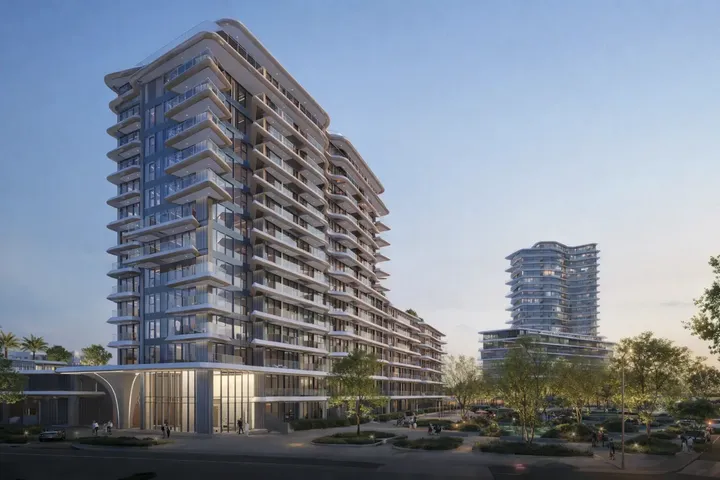
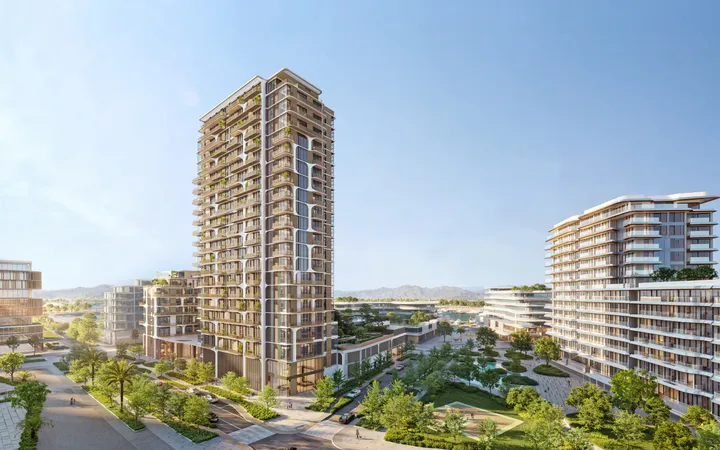
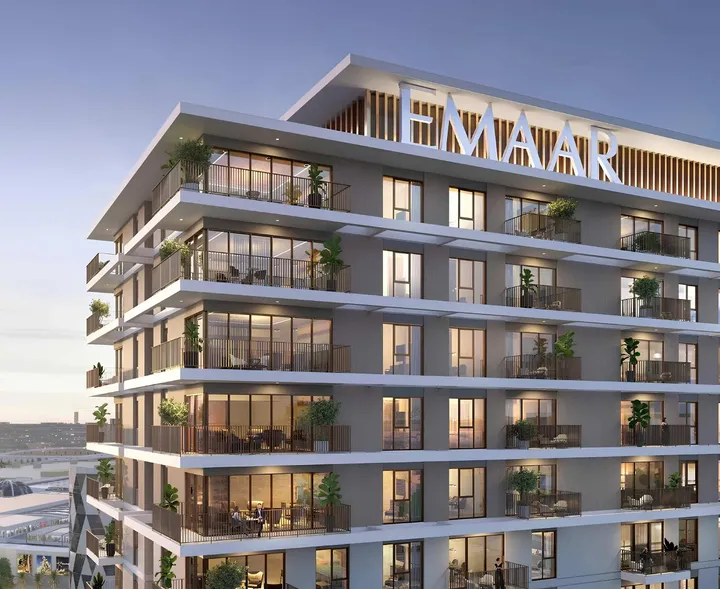
Large developers have put real capital behind this direction. Emaar's The Heights Country Club and Wellness spans 81 million sq ft with a development value of AED 55 billion, and sets aside more than 1.36 million sq m for open green space, roughly a quarter of the master plan. Aldar's Haven in Dubailand covers about 1 million sq m, was the first community in the Middle East and Africa to receive a 3-Star Fitwel certification, and carries LEED Gold pre-certification. Its design includes air quality sensors, shaded corridors and dense native tree cover. Expo City Dubai and The Sustainable City apply car-free layouts, solar-shaded paths and centralised cooling to cut both outdoor heat and indoor dust.
Dubai's own master plan points the same way. The 2040 plan allocates 60% of the emirate's area to nature reserves and natural areas and doubles green and recreational space, a 100% increase, for a projected 7.8 million residents. Shade and greenery are being written into the city layout, and communities that already have them will age better than those that depend on future retrofits.
What this means by buyer type
Off-plan buyers
For off-plan purchasers, the questions to put to a developer are now practical. Which Al Sa'fat or Estidama class does the building hold? Is there district cooling? What filtration sits in the ventilation system, and what share of the master plan is green and shaded? Specifications of the MERV-13 and HEPA class, low-E double glazing and shaded pedestrian links are future-proofing. A buyer who skips these questions today is accepting a resale problem that will show up around handover.
Golden Visa holders
The 10-year Golden Visa requires a property investment of AED 2 million or more. Many of these holders now treat the UAE as a year-round base for family and ageing parents, where earlier buyers treated it as a winter home. Households of that kind read a health plan that prioritises children, seniors and people with heart or lung conditions as relevant to their own address. Low-density communities with clinics nearby, tree cover and strong indoor air quality fit that need, and we expect demand for them to firm up as the plan's early-warning systems become routine.
Dubai, Abu Dhabi and Ras Al Khaimah
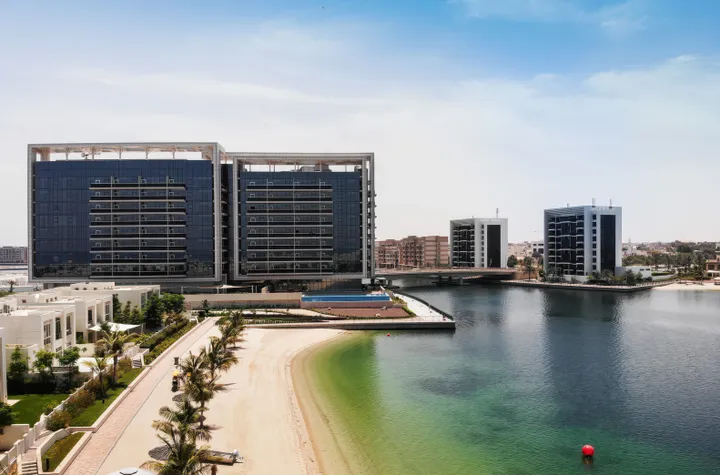
In Dubai, master-planned suburban communities and districts served by centralised cooling (Dubailand, Expo City, Dubai Hills, Tilal Al Ghaf) offer the clearest link between cooling efficiency and operating costs, with the 20% to 35% saving feeding directly into net rental income. In Abu Dhabi, Estidama Pearl-rated communities on Saadiyat, Yas and Al Reem benefit from the capital hosting the summit where the plan was unveiled and from its growing health technology cluster. In Ras Al Khaimah, Marjan Island and Mina Al Arab combine a slightly cooler coastal breeze with mandatory Barjeel standards, which makes Barjeel-compliant beachfront stock a defensive choice for both seasonal and year-round use.
How we would approach a purchase
Our team advises buyers to treat climate performance as a line in the underwriting, next to price per square foot and service charge. A practical sequence looks like this.
First, request the building's green certification tier and the cooling arrangement, and ask for typical utility bills from existing residents. Second, ask what filtration the ventilation uses and who maintains it. Third, walk the community at 2 pm in summer, because shade and wind are easy to see at that hour and impossible to see on a render. Fourth, compare the net yield after utilities for a certified building and an older one in the same district. The gap between the two figures is the premium the market has not fully priced yet.
We act for the buyer, so our job is to check these points before money moves. If you are weighing a purchase in Dubai, Abu Dhabi or Ras Al Khaimah, our team can run this review on any shortlisted project and tell you what the paperwork supports.
Frequently asked questions
Does the 2026-2031 health plan change building rules directly?
The plan itself is a health sector framework covering early warning, surveillance and hospital resilience. Building rules come from municipal and federal bodies. The pattern in the UAE is that health and climate directives are followed by tighter standards at handover, so buyers should expect the direction of travel, even though no new construction code is attached to this document.
Which buildings should hold value best under this plan?
Those with a certified green tier (Al Sa'fat in Dubai, Estidama in Abu Dhabi, Barjeel in Ras Al Khaimah), centralised cooling, good ventilation filtration and real shade in the surrounding community. Certified stock records 20% to 35% lower cooling and electricity use than older non-certified buildings, which supports both rents and tenant retention.
Is climate performance relevant for Golden Visa buyers?
Yes. The visa requires AED 2 million or more in property, and holders increasingly live in the country throughout the year with children or parents. A plan that names those groups as priorities makes indoor air quality, shade and nearby medical care part of a sensible shortlist.