
Dubai's Airport Dominance Signals Where International Real Estate Demand Is Heading
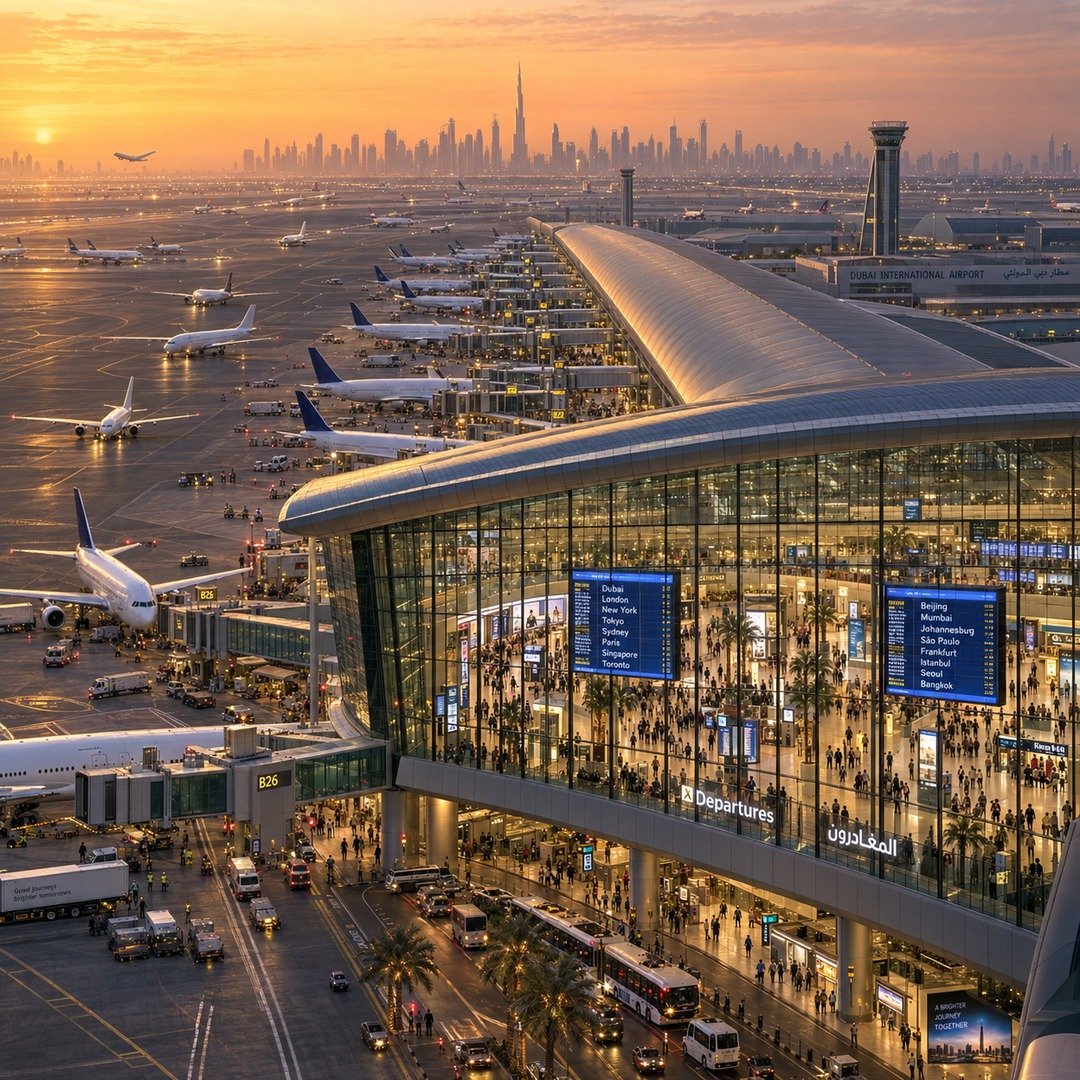
Dubai International Airport (DXB) has once again been confirmed as the world's busiest airport for international passenger traffic, extending a leadership streak that now spans more than a decade. The latest full-year figures show DXB handled approximately 92.3 million passengers in 2024, a 6.1% increase over 2023 and the highest annual total in the airport's history, surpassing the previous record of roughly 89.1 million set in 2018.
For our team, this is not a headline to note in passing. It is one of the clearest macro signals available for reading where real estate demand in the UAE is headed over the next several years, and it deserves the same weight in an investment thesis as a supply pipeline report or a rental yield table.
Why airport data belongs in a property conversation
An airport's passenger volume is, in effect, a proxy for how many people a city can plausibly convert into tourists, tenants, and buyers. DXB first took the global top spot for international traffic in 2014, with around 70.4 million guests that year. A decade later, that figure has grown by more than 30%, even after absorbing a multi-year pandemic collapse and a full recovery. Passenger numbers passed pre-pandemic 2019 levels (86.4 million) back in 2023, when DXB recorded roughly 87 million passengers, up about 31.7% year on year. Industry estimates for 2025 point to a further step up, with Khaleej Times citing figures near 95.2 million, which would mark roughly 3% growth on top of the 2024 record.
We read this trajectory as three distinct signals rather than one. First, resilience: after 2020 to 2022, DXB broke through its old ceiling. Second, structural growth: the increases are consistent year over year rather than a single post-pandemic rebound spike. Third, breadth: the passenger base drawing through DXB spans key source markets including India, Saudi Arabia, the UK, and China, which matters directly for who ends up renting or buying in Dubai.
What this means for the rental and short-stay market
Every additional million international arrivals through DXB is, functionally, a larger pool of potential short-term tenants, corporate visitors, and eventual buyers. Buyers we work with in the holiday-home and serviced-apartment segment are already asking about occupancy trends in areas with strong airport access, and the passenger data helps explain why. Studios and one-bedroom units in Downtown, Business Bay, Dubai Marina, JLT, Deira, and Dubai Creek benefit disproportionately from this pattern, since they sit closest to the transit and short-stay demand that airport growth generates.
Branded residences and apart-hotel concepts follow the same logic. A city receiving close to 92 million international arrivals a year, projected to approach 95 million, needs beds for a meaningful share of that traffic beyond hotel rooms alone. That is precisely the demand segment our team factors into unit-mix analysis when evaluating a project's rental durability alongside its headline price per square foot.
The connectivity argument for Golden Visa holders
For an investor holding, or considering, a UAE Golden Visa, airport leadership carries a different but related weight. Owning property in a city with the world's busiest international air hub is a practical statement about connectivity, not just a lifestyle claim. Direct routes to major source markets mean a Golden Visa holder based in Dubai is genuinely closer, in travel time, to Mumbai, Riyadh, London, or Shanghai than from most competing residency hubs. Our team treats this as part of the underlying asset value when advising clients on where within the UAE to establish their primary base, because connectivity underpins both personal mobility and the tenant demand that eventually finances the property.
Reading DXB alongside the rest of the UAE market
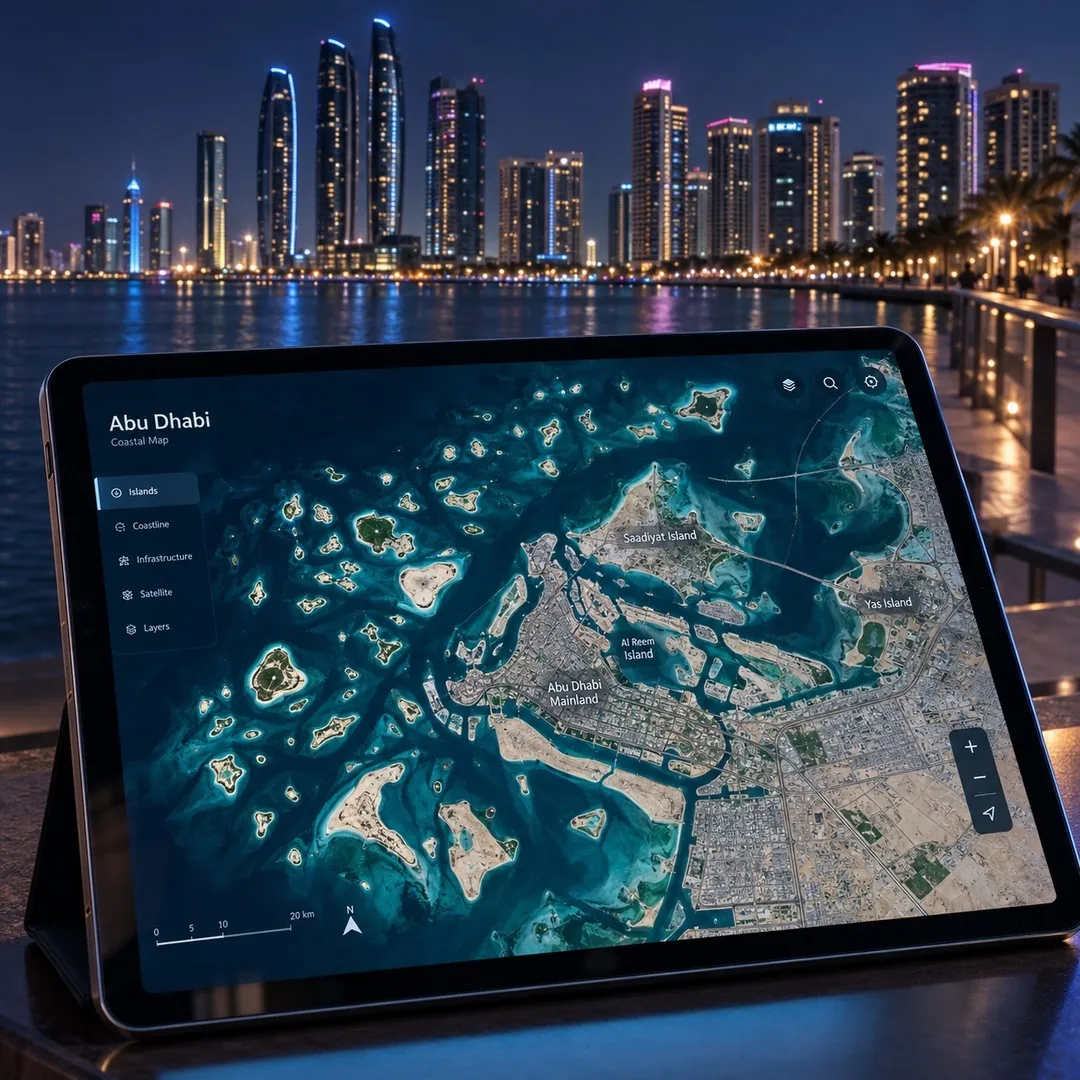
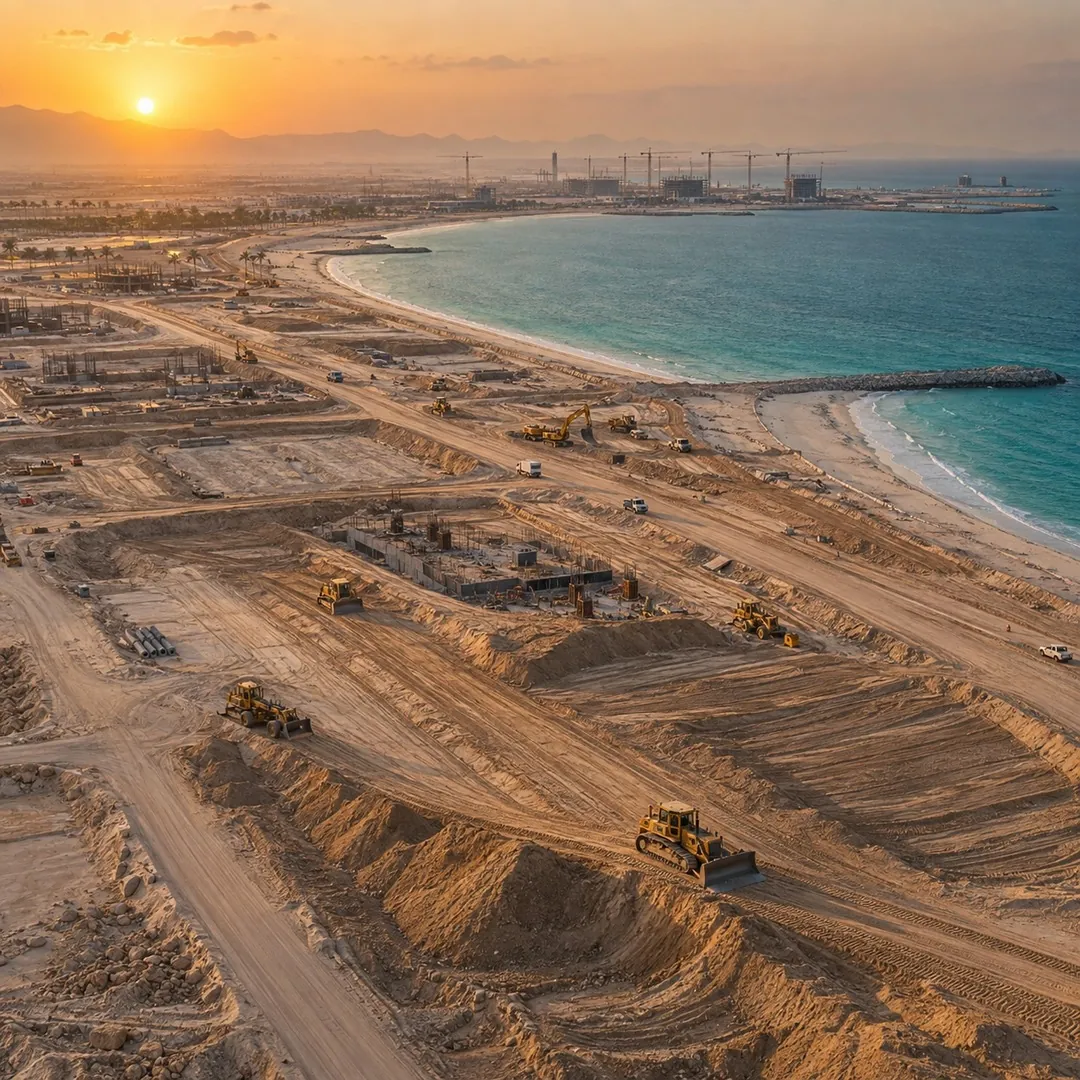
DXB's role as the country's primary international gateway also shapes how demand distributes across the emirates. A large share of visitors entering the UAE first land in Dubai, then a portion continues to Abu Dhabi, Ras Al Khaimah, Sharjah, or Fujairah for leisure, business, or longer stays. That flow pattern is part of why our team frames the UAE as a layered market rather than a single city bet: Dubai functions as the liquidity and lifestyle core, Ras Al Khaimah increasingly captures resort and yield-focused demand, and Abu Dhabi anchors a steadier, more institutional segment.
The planned expansion of Al Maktoum International (DWC), positioned as part of Dubai's long-term aviation strategy, reinforces this same direction. Growth corridors around Dubai South and the Jebel Ali logistics zone are already drawing early interest from investors tracking where the next decade of airport-adjacent development will concentrate, echoing patterns seen around other fast-growing global hubs such as Istanbul and Doha, where logistics parks, hotels, and mid-market residential followed airport expansion closely.
The takeaway for portfolio positioning
None of this replaces due diligence on a specific building, developer, or payment plan. But a decade of sustained, verified leadership in international passenger traffic is the kind of infrastructure signal that does not reverse on a market cycle. It tells our team, and it should tell an investor, that the underlying demand base supporting Dubai's rental and resale market is broadening rather than plateauing.
Frequently asked questions
Why does airport passenger traffic matter for real estate investment in Dubai? Airport traffic is a direct proxy for tourism, business travel, and eventual migration into a city, all of which translate into rental demand and, over time, resale demand for residential property.
Is DXB's 2024 passenger record a one-off recovery bounce or a genuine trend? The data points to a trend. DXB passed pre-pandemic 2019 levels back in 2023, then extended growth further in 2024 to a new all-time high of about 92.3 million passengers, with 2025 estimates pointing to continued growth toward roughly 95.2 million.
Which Dubai neighborhoods benefit most from strong international airport traffic? Areas with strong transit access and established short-stay demand, including Downtown, Business Bay, Dubai Marina, JLT, Deira, and Dubai Creek, tend to see the most direct benefit in occupancy and rental performance.
Does DXB's status affect Golden Visa holders specifically? Yes. Golden Visa holders benefit from direct routes to major global markets, which is a practical connectivity advantage beyond the residency itself, and our team considers this when advising on where to base a primary property.
How should an investor read DXB's growth alongside other emirates like Abu Dhabi and Ras Al Khaimah? DXB's role as the main international gateway means a significant share of UAE-bound travelers pass through Dubai first. Our team sees this as reinforcing Dubai's core position while supporting complementary growth in Ras Al Khaimah's resort segment and Abu Dhabi's more institutional demand base.
Should short-term rental investors weight airport data heavily in their decisions? It should be one input among several, alongside unit-mix analysis, developer track record, and micro-location factors, but sustained airport growth over a decade is a stronger signal than most single-year market indicators.
If you are evaluating where airport-driven demand growth intersects with specific project opportunities across Dubai, Abu Dhabi, or Ras Al Khaimah, our team at uae-prop can walk through the current data and how it applies to a given shortlist.